Understanding Local Climate Impact on Your Landscape: A Guide for Homeowners


Understanding the impact of your local climate on your landscape is crucial for homeowners looking to create a sustainable and thriving outdoor space. The climate directly influences the types of plants that will flourish, the water requirements, and the overall maintenance of your landscape. By aligning your landscaping choices with your climate conditions, you can save time, resources, and effort.
One of the first steps in understanding your local climate is identifying your USDA Hardiness Zone. This zone indicates the average minimum winter temperature in your area, helping you select plants that can survive and thrive through the cold months. Additionally, consider the microclimates within your property, such as shaded areas or spots exposed to wind, as these can also affect plant growth.
Choosing the Right Plants
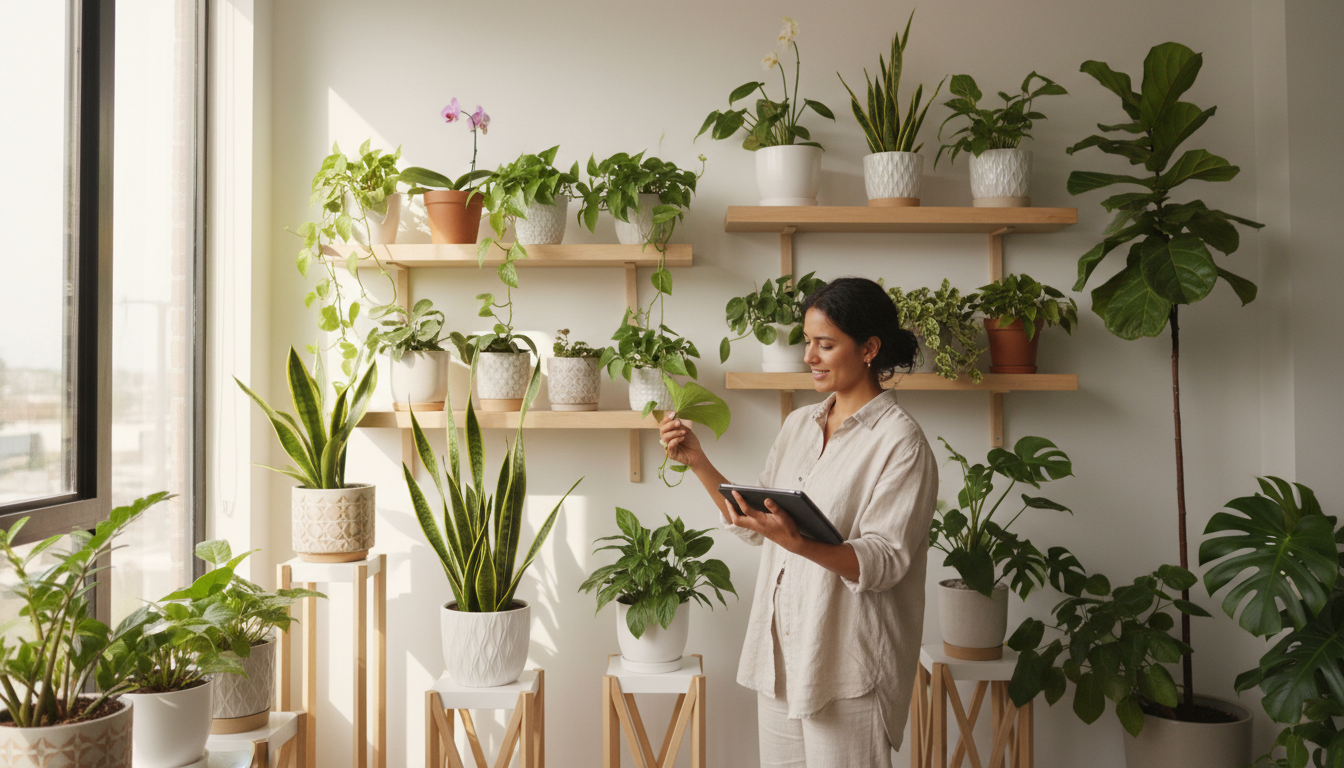
Different plants have varying needs for sunlight, water, and soil types. In regions with hot, dry climates, selecting drought-resistant plants can significantly reduce water usage. Conversely, in wetter areas, consider plants that thrive in moist soil conditions. Native plants are often the best choice as they are adapted to local weather patterns and require less intervention to flourish.
Additionally, consider the seasonal changes in your area. Some plants may provide vibrant blooms in the spring but require additional care during the winter. Balancing a mix of annuals and perennials can ensure year-round interest in your garden.
Water Management Techniques
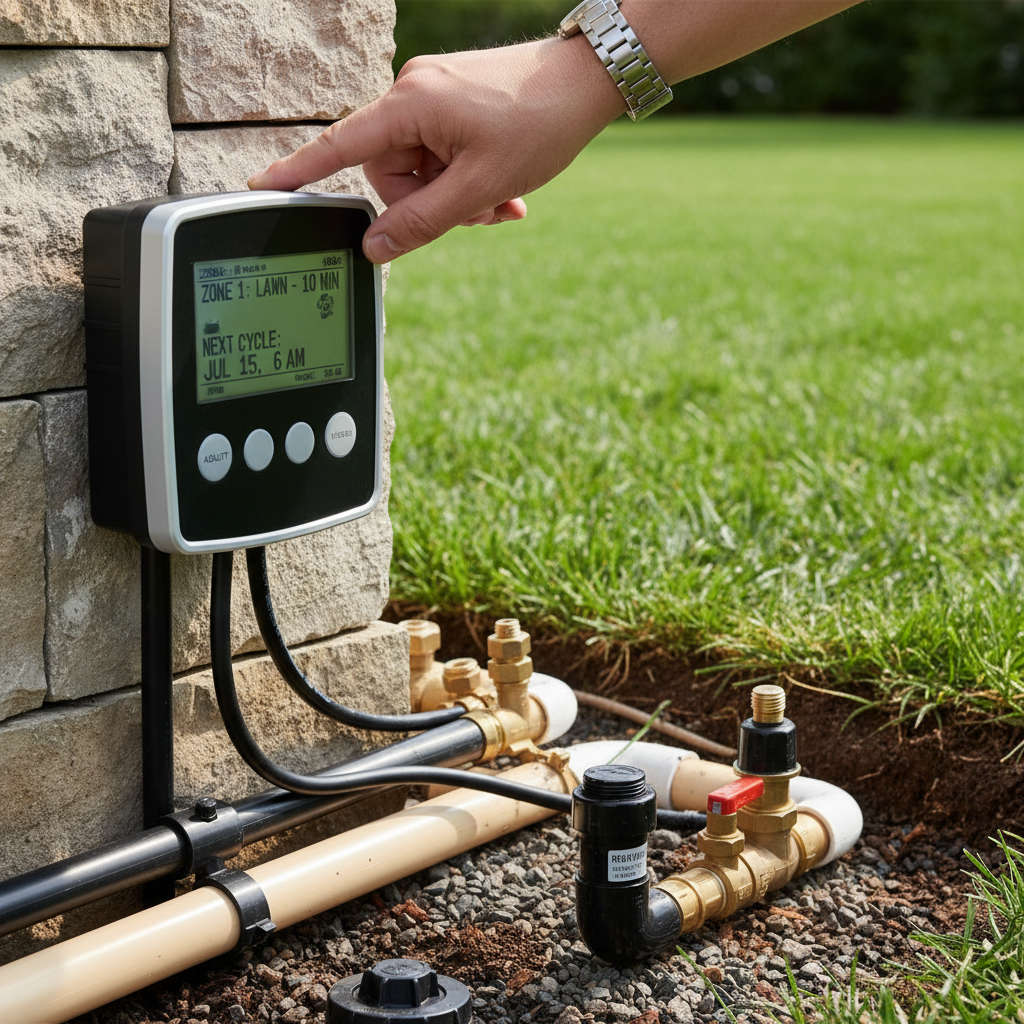
Water management is a critical aspect of landscaping, especially in areas prone to drought or heavy rainfall. Implementing efficient irrigation systems, such as drip irrigation, can conserve water and ensure that plants receive adequate moisture without waste. Rainwater harvesting systems can also be a valuable addition, allowing you to collect and store rainwater for future use.
In regions with excessive rainfall, proper drainage is essential to prevent waterlogging and root rot. Consider creating rain gardens or using permeable paving materials to enhance drainage and reduce runoff.
Soil Considerations
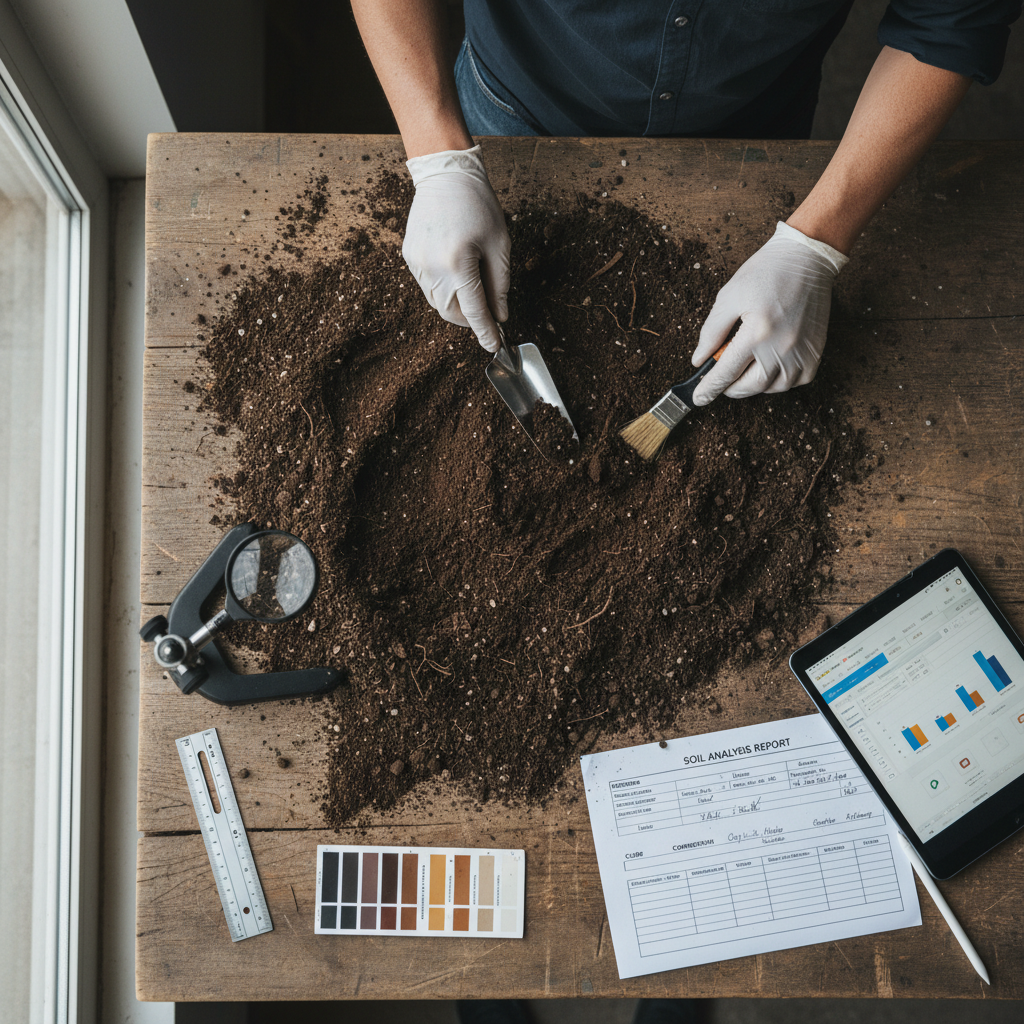
The type of soil in your landscape plays a significant role in plant health. Conducting a soil test can provide insights into the pH levels and nutrient content of your soil, helping you make informed decisions about fertilization and soil amendments. In sandy soils, adding organic matter can improve water retention, while clay soils may require aeration to enhance drainage.
Mulching is another effective technique to maintain soil health. It helps retain moisture, suppress weeds, and regulate soil temperature, creating a conducive environment for plant growth.
Conclusion
Understanding the local climate's impact on your landscape is a fundamental step in creating a sustainable and beautiful outdoor space. By selecting climate-appropriate plants, implementing efficient water management systems, and nurturing healthy soil, homeowners can achieve a landscape that is both aesthetically pleasing and environmentally responsible. Embrace the uniqueness of your local climate and let it guide your landscaping decisions for optimal results.