Ultimate Guide to Landscape Maintenance: Tips for a Lush Lawn


Understanding Your Lawn
Maintaining a lush lawn begins with understanding the type of grass you have. Different grass types have unique needs, such as specific watering, mowing, and fertilization requirements. Identifying your grass type can help you tailor your maintenance efforts effectively for optimal results.
Soil Health
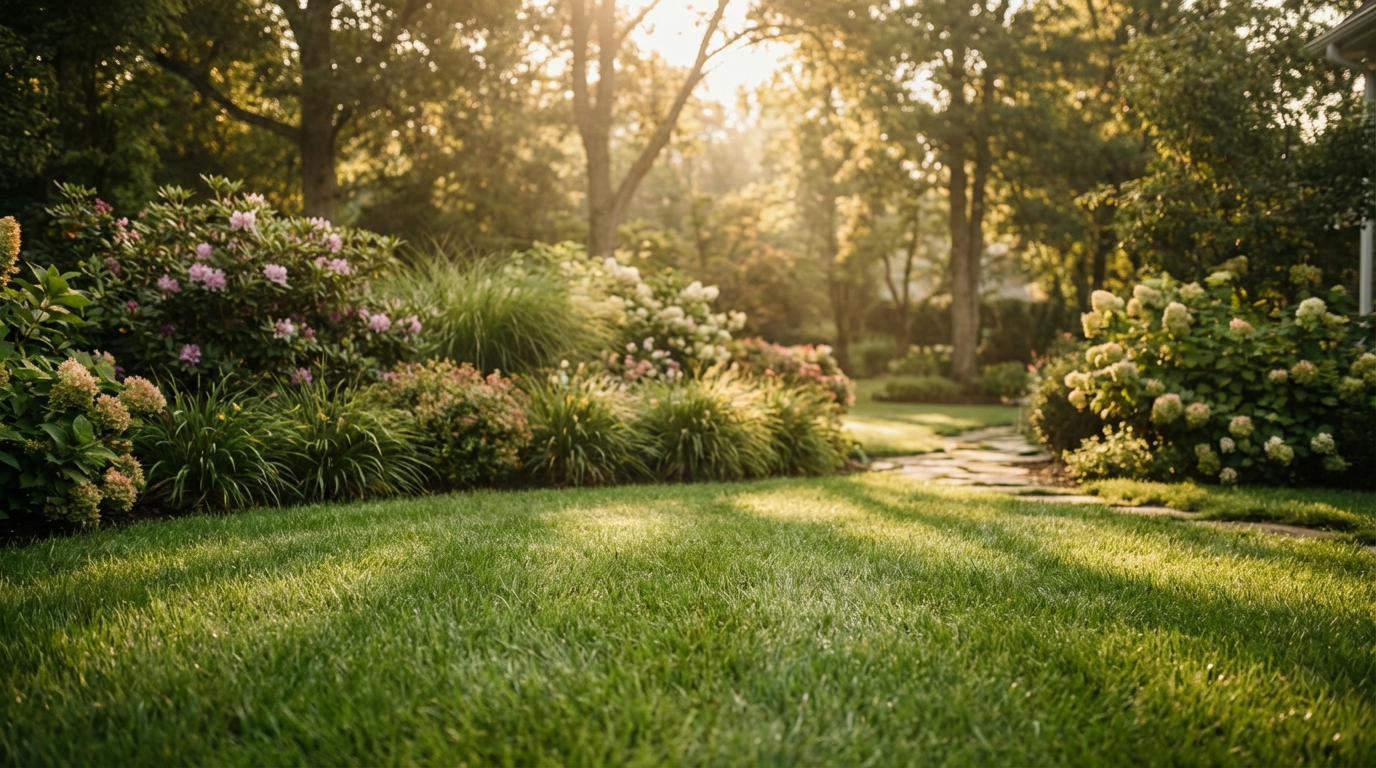
The foundation of any healthy lawn is good soil. Conduct a soil test to determine pH levels and nutrient content. This will guide you in choosing the right fertilizers and amendments. Aim for a pH between 6 and 7 for most grass types to thrive.
Watering Techniques
Proper watering is crucial for lawn health. Overwatering can lead to shallow roots and disease, while underwatering can cause stress. Water deeply but infrequently, ideally early in the morning. Aim for about 1 to 1.5 inches of water per week, including rainfall.
Irrigation Systems
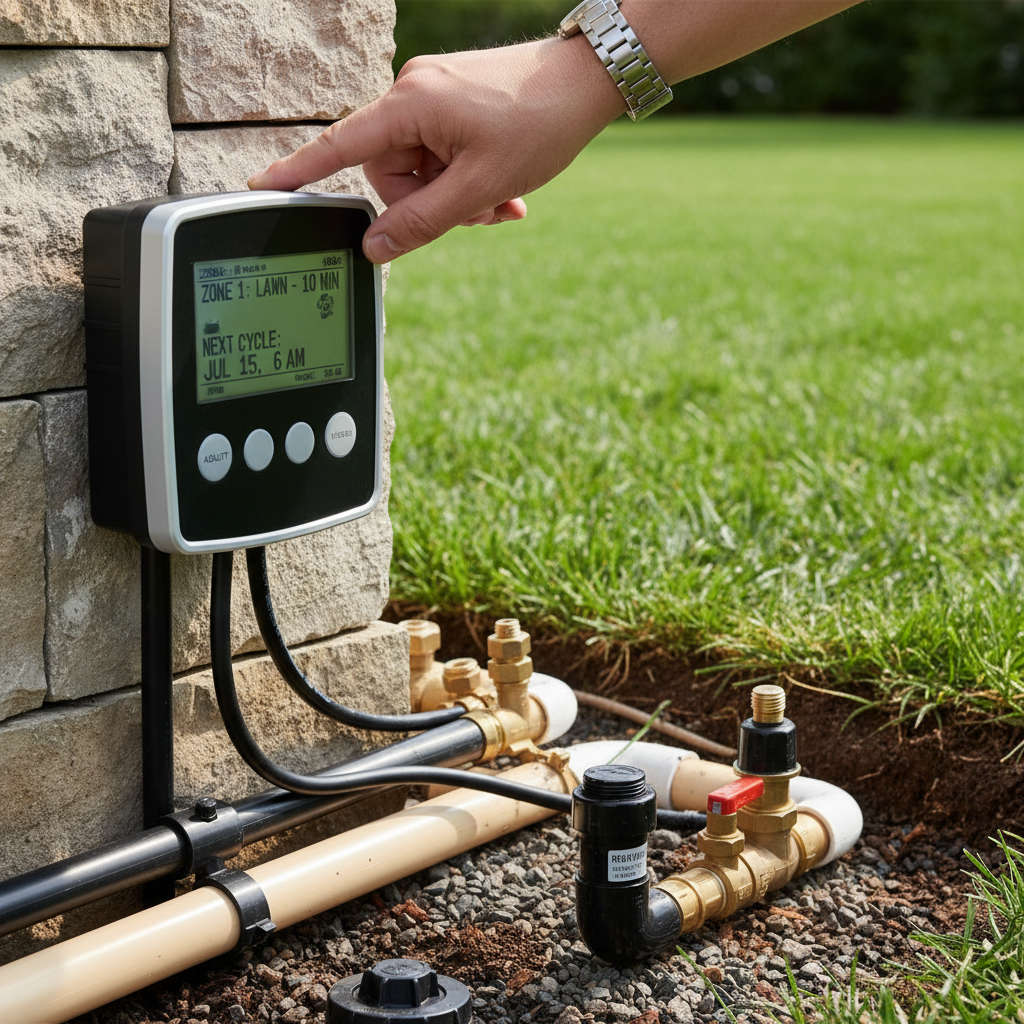
Consider installing an irrigation system for consistent watering. Systems with timers can ensure your lawn receives the right amount of water, even when you're away. Adjust the settings seasonally to accommodate changing weather conditions.
Mowing Practices
Regular mowing is essential to keep your lawn healthy and attractive. Set your mower blades to the correct height for your grass type, typically between 2.5 to 4 inches. Avoid cutting more than one-third of the grass height at a time to prevent stress.

Maintaining Your Mower
Keep mower blades sharp to ensure clean cuts, which prevent disease and promote healthier growth. Regular maintenance, including oil changes and air filter checks, will help your mower perform efficiently throughout the season.
Fertilization Strategies
Fertilizing your lawn provides essential nutrients that promote growth and resilience. Use a slow-release fertilizer in the spring and fall to feed your lawn gradually. Be mindful of the nitrogen content to avoid overstimulation, which can lead to excessive growth and disease susceptibility.
Organic Options
Consider organic fertilizers as an eco-friendly option. These products release nutrients slowly and improve soil health. Organic matter, such as compost, can also be an excellent addition to enhance soil structure and fertility.
Pest and Weed Control
Weeds and pests can threaten the health of your lawn. Regular monitoring and early intervention are key. Use herbicides and pesticides sparingly, opting for natural remedies when possible to minimize environmental impact.
Integrated Pest Management
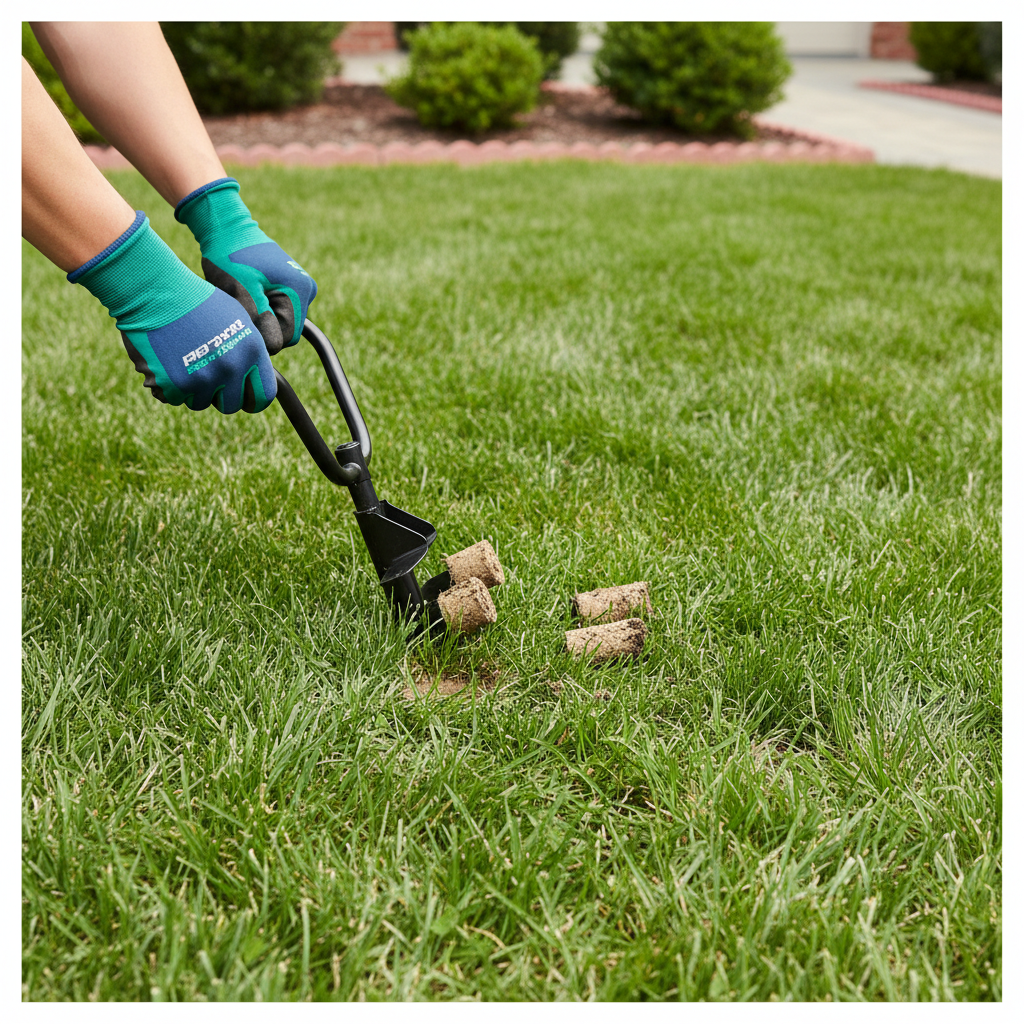
Adopt an Integrated Pest Management (IPM) approach, which focuses on prevention, monitoring, and control. This strategy emphasizes the use of cultural, biological, and mechanical methods before resorting to chemical solutions, promoting a healthier ecosystem.