The Ultimate Guide to Landscape Maintenance for Homeowners


Understanding Your Landscape
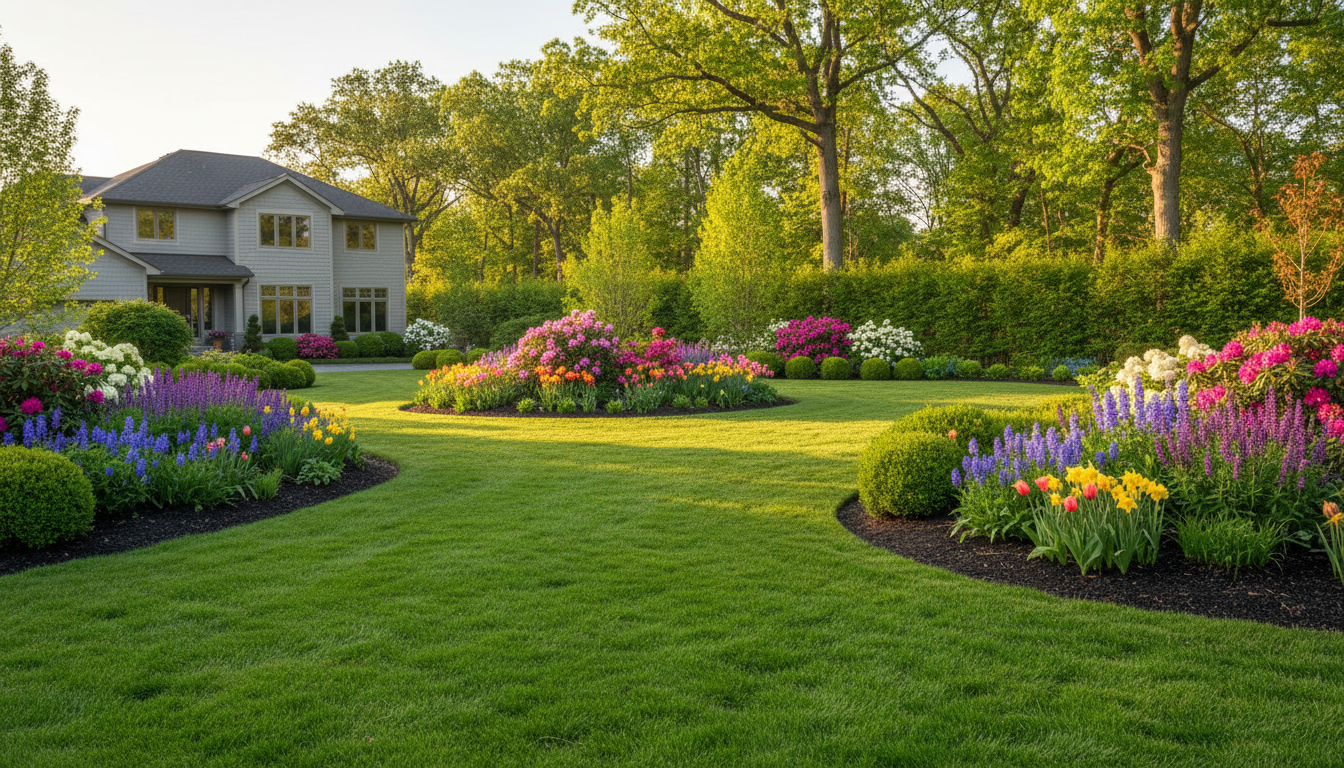
Maintaining a beautiful landscape requires understanding the unique characteristics of your yard. This includes soil type, climate, and plant species. By identifying these elements, homeowners can tailor their maintenance practices for optimal results.
Soil and Climate Considerations
Different plants thrive in different soil types and climates. Conduct a soil test to determine pH levels and nutrient content. Also, consider your local climate when selecting plants, as this will influence watering and fertilization needs.
Essential Tools for Landscape Maintenance
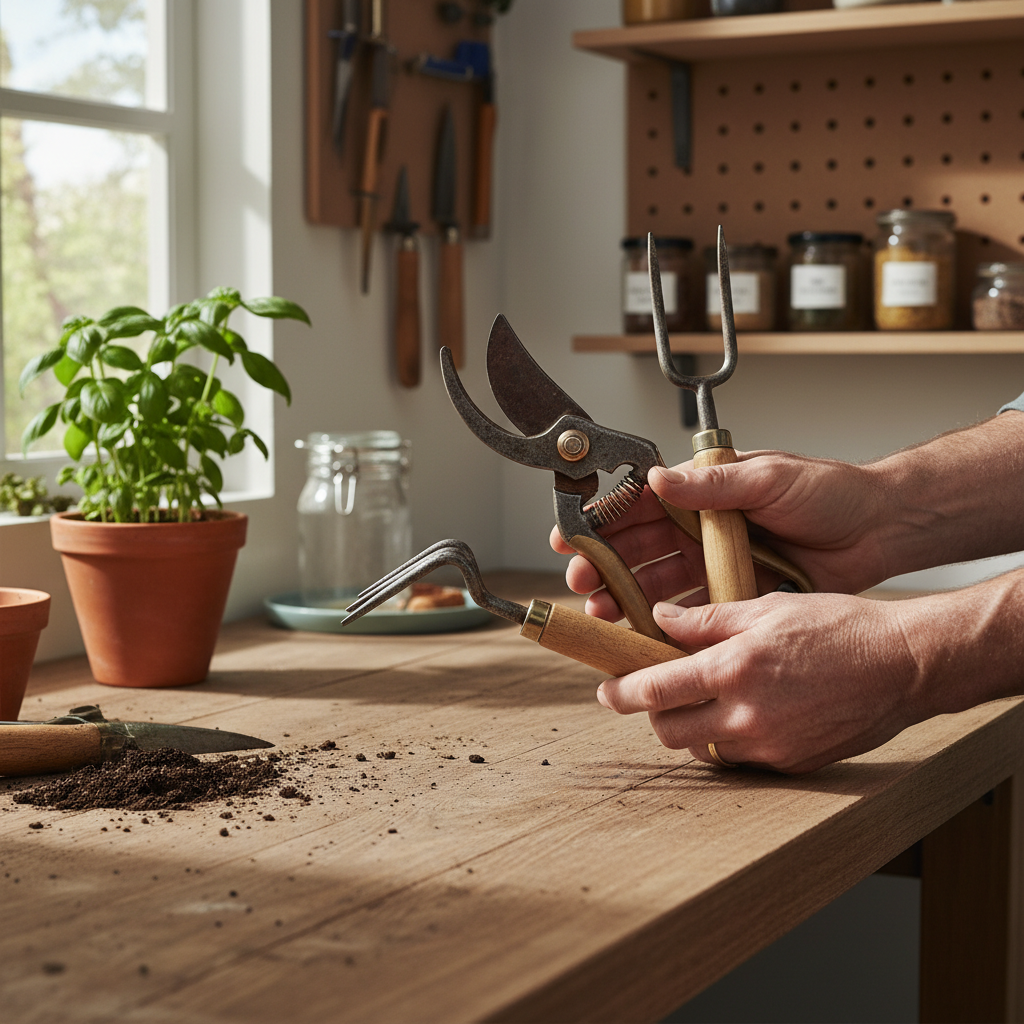
Invest in quality tools to make landscape maintenance more efficient. Basic tools include a lawn mower, pruning shears, and a garden hose. For more intricate work, consider an edger and leaf blower. Regular maintenance of these tools is crucial to ensure they last.
Lawn Care Basics
A well-maintained lawn is the foundation of a beautiful landscape. Mow your lawn regularly, keeping the grass at an optimal height to promote healthy growth. Aerate the soil annually to improve water and nutrient absorption.
Plant Care and Pruning
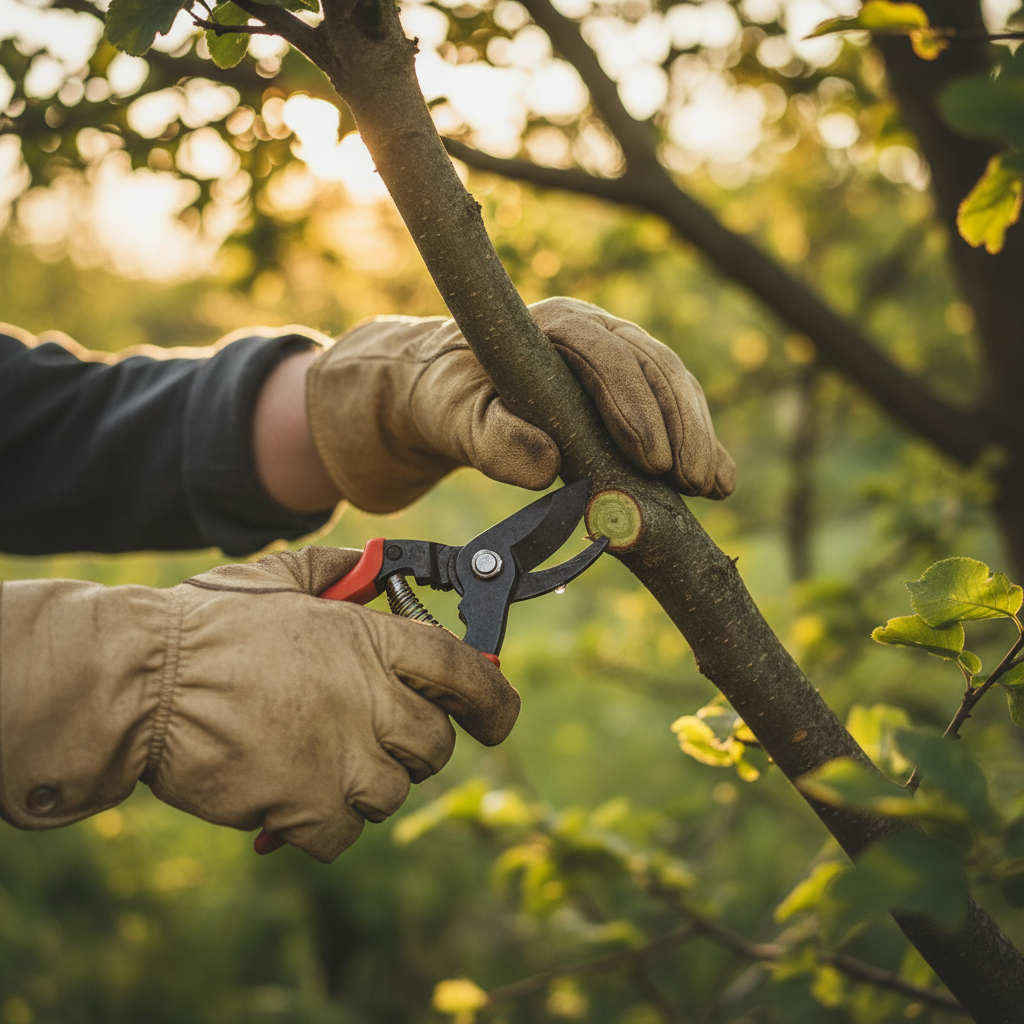
Regularly prune shrubs and trees to encourage growth and prevent disease. Pruning should be done during the dormant season to minimize stress on plants. Use sharp, clean tools to make clean cuts and reduce the risk of infection.
Watering Techniques
Efficient watering is crucial for plant health. Water deeply but infrequently to encourage deep root growth. Consider installing a drip irrigation system for precise watering, reducing water waste and ensuring plants receive the moisture they need.
Dealing with Pests and Weeds
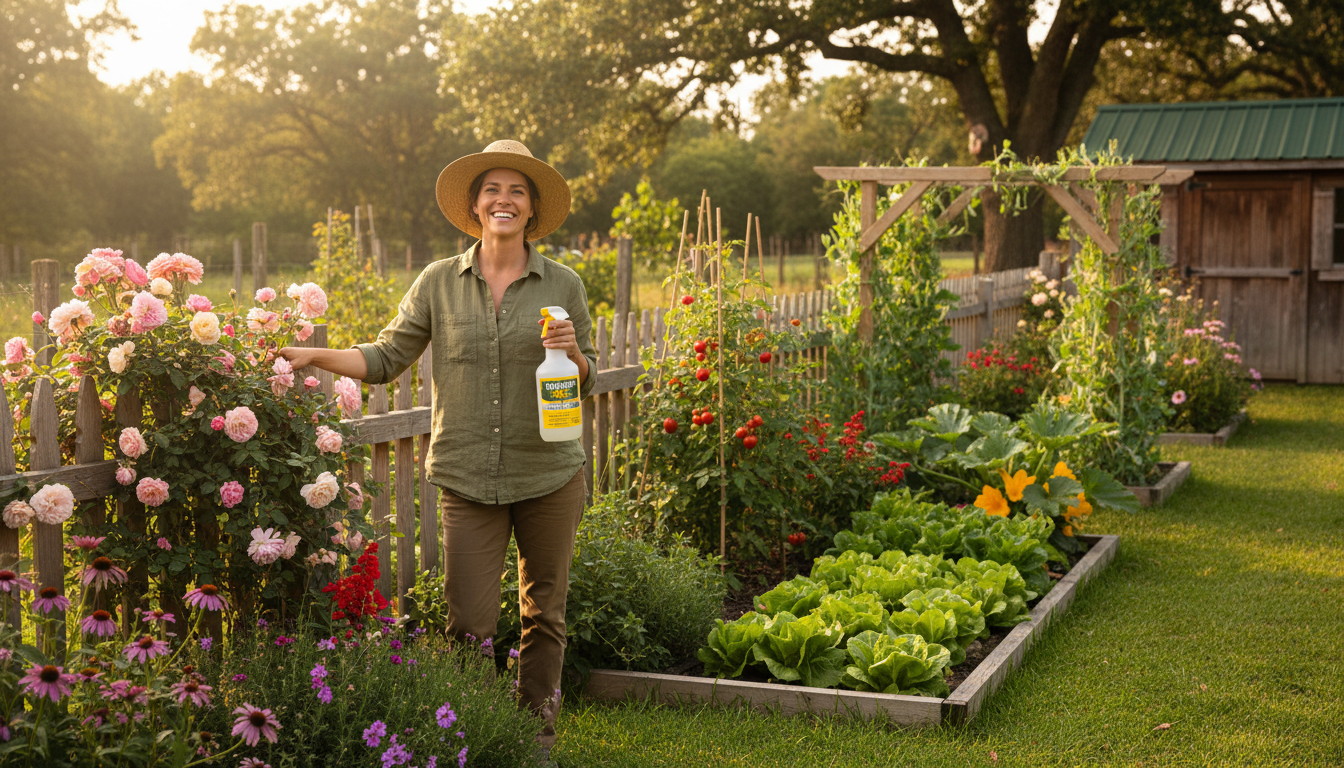
Pests and weeds can quickly take over a landscape if not managed properly. Use natural pest control methods, such as introducing beneficial insects. For weeds, consider mulching to suppress growth and use herbicides as a last resort.
Seasonal Maintenance Tips
Each season brings different challenges for landscape maintenance. In spring, focus on planting and soil preparation. During summer, manage watering and pest control. Fall is the time for pruning and fertilizing, while winter involves protecting plants from frost.
Conclusion
Maintaining a beautiful landscape involves understanding your yard's unique needs and using the right tools and techniques. By following these guidelines, homeowners can enjoy a lush, vibrant landscape year-round. Regular attention to lawn care, plant maintenance, and seasonal adjustments will ensure your landscape remains healthy and aesthetically pleasing.