The Ultimate Guide to Landscape Maintenance for a Lush Lawn


Understanding Your Lawn
Maintaining a lush lawn requires a blend of knowledge, dedication, and the right techniques. Before diving into maintenance, it's essential to understand the type of grass you have. Different grass types have unique needs in terms of sunlight, water, and nutrients. Identifying the grass type helps tailor your maintenance approach effectively.
Watering Techniques for Optimal Growth
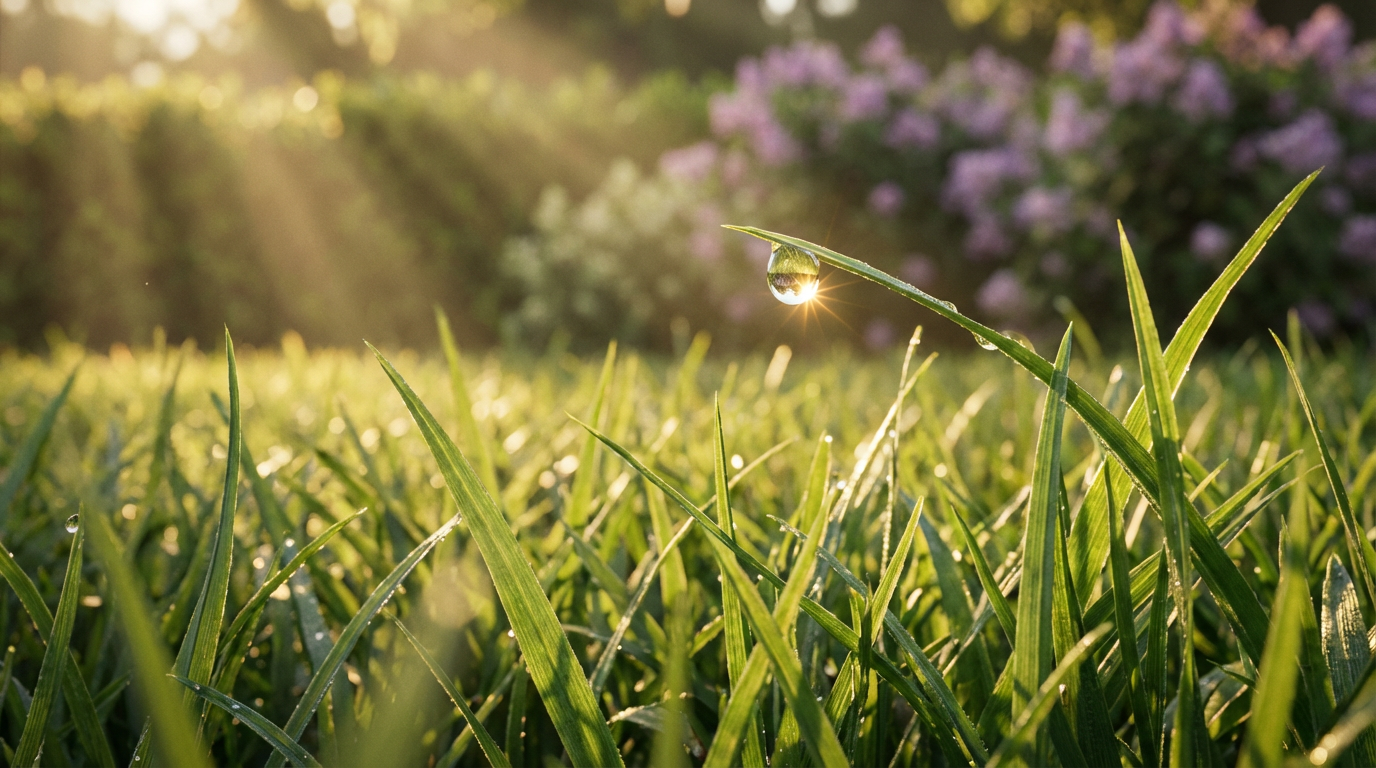
Proper watering is crucial for a healthy lawn. Overwatering can lead to root rot, while underwatering may cause the grass to dry out. It's best to water early in the morning to minimize evaporation. Aim for about 1 to 1.5 inches of water per week, including rainfall, to keep your lawn hydrated.
Investing in a sprinkler system can ensure even water distribution. Be mindful of local water restrictions and adjust your watering schedule accordingly.
Fertilization: Feeding Your Lawn
Fertilization provides the necessary nutrients for robust growth. A balanced fertilizer with nitrogen, phosphorus, and potassium can enhance lawn health. It's advisable to fertilize in early spring and late fall, when grass is most receptive to nutrient intake.
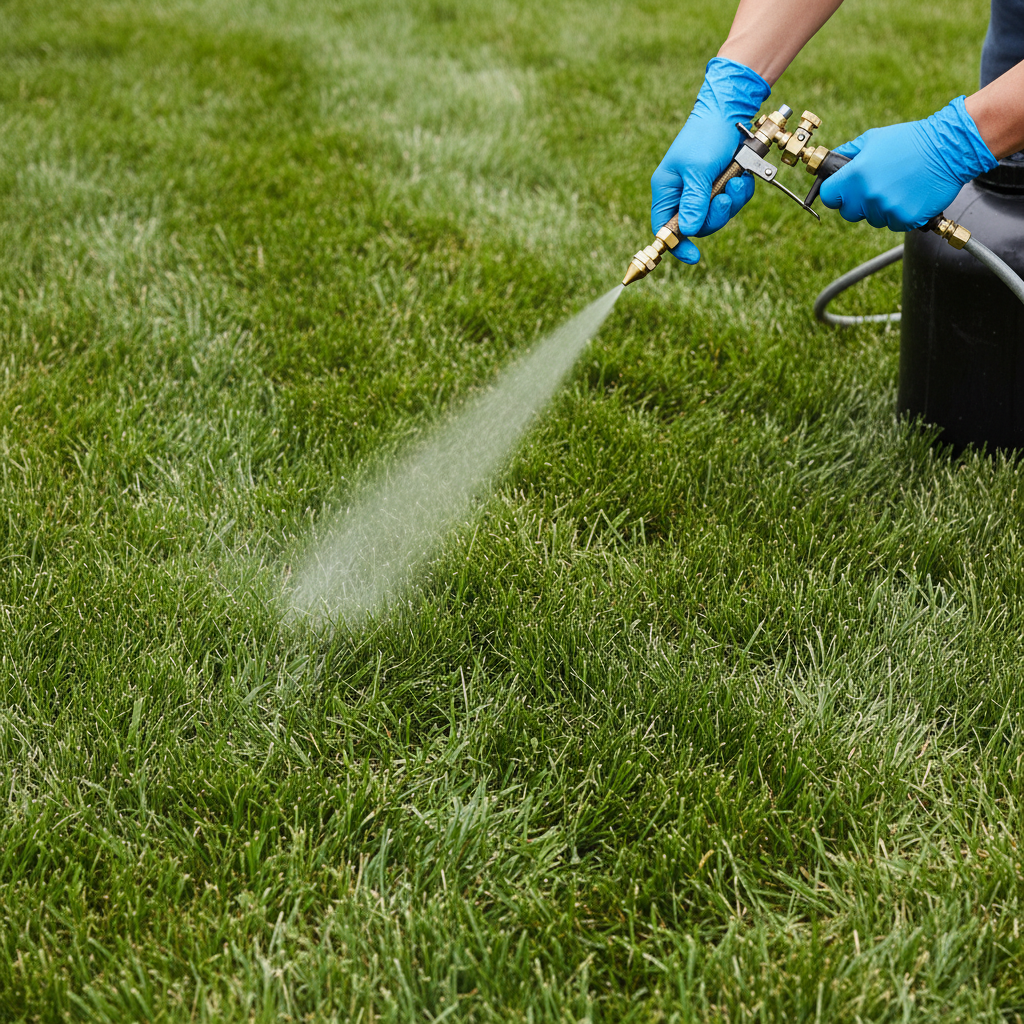
Consider using organic fertilizers to reduce environmental impact. Always follow the instructions on the fertilizer package to avoid over-application, which can harm the grass.
Mowing for a Manicured Look
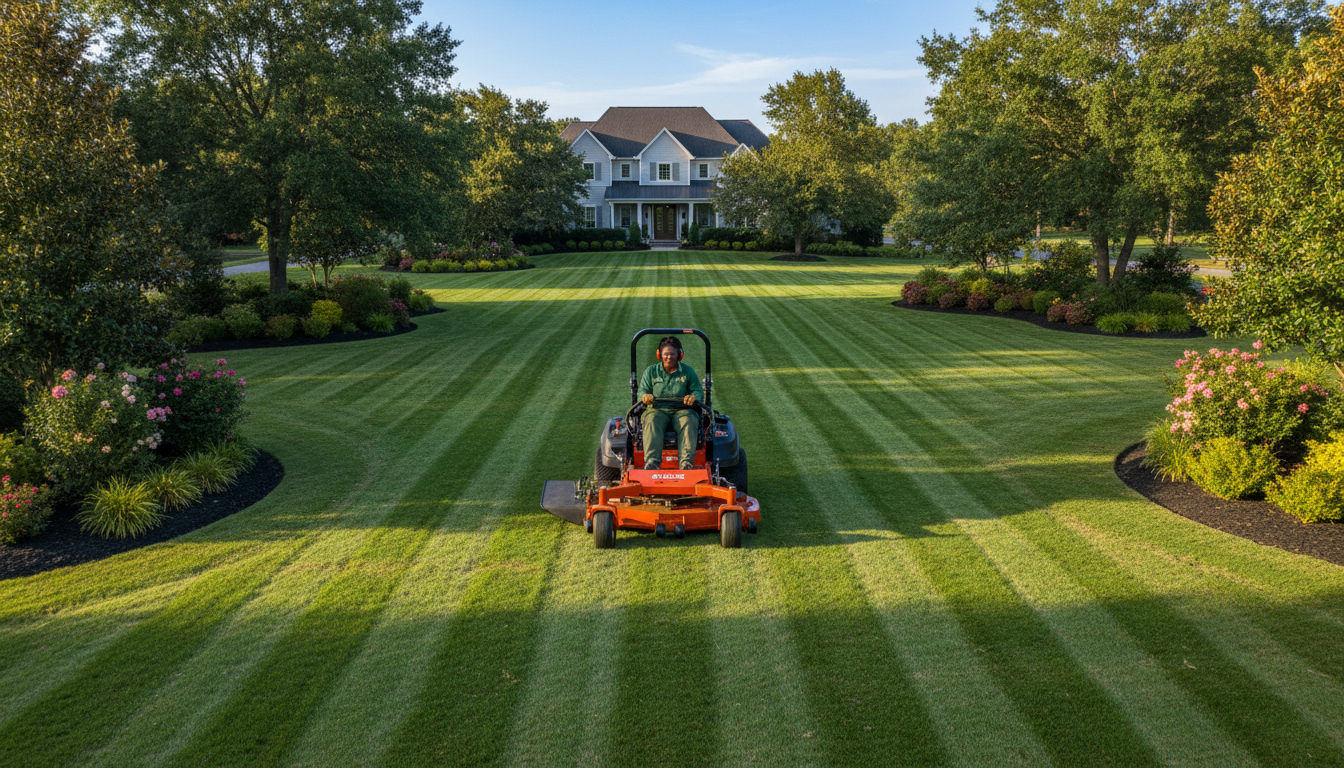
Regular mowing keeps your lawn looking neat and promotes healthy growth. Ensure your mower blades are sharp to avoid tearing the grass. Adjust the mower height according to the season; taller grass in the summer helps retain moisture, while shorter grass in the cooler months can prevent disease.
- Mow frequently enough so that no more than one-third of the grass height is removed at a time.
- Leave grass clippings on the lawn to act as natural mulch.
Aeration: Breathing Life into Your Lawn
Aeration involves perforating the soil to allow air, water, and nutrients to penetrate the grass roots. This process reduces soil compaction and encourages healthy root growth. Aerate your lawn in the fall or spring for best results.
Use a core aerator tool for effective aeration. Regular aeration can significantly enhance the overall health and appearance of your lawn.
Weed and Pest Control
Weeds and pests can quickly undermine your efforts for a lush lawn. Implement a pre-emergent herbicide in early spring to prevent weed growth. For existing weeds, spot-treat with a post-emergent herbicide.

Pests like grubs and chinch bugs can be managed with appropriate insecticides. Encourage beneficial insects, such as ladybugs, to naturally control pest populations.
Seasonal Maintenance Tips
Each season brings unique challenges and opportunities for lawn care. In spring, focus on cleaning up debris and checking for any damage from winter. Summer requires vigilant watering and mowing, while fall is ideal for aeration and fertilization. Prepare your lawn for winter by removing leaves and applying a winterizing fertilizer.
By following these seasonal tips, your lawn will remain vibrant and healthy year-round.