The Ultimate Guide to Landscape Maintenance: Tips and Tricks from the Pros


Understanding Your Landscape
Maintaining a beautiful landscape goes beyond just mowing the lawn. It's about understanding the unique needs of your yard and crafting an approach that brings out its best features. Start by identifying the types of plants, grass, and trees you have. This knowledge will guide your care routine, ensuring that each element of your landscape thrives.
Consider the climate and soil in your area as these factors greatly influence the health of your landscape. A little research can go a long way in determining the best practices for your specific environment.
Essential Tools for Landscape Maintenance
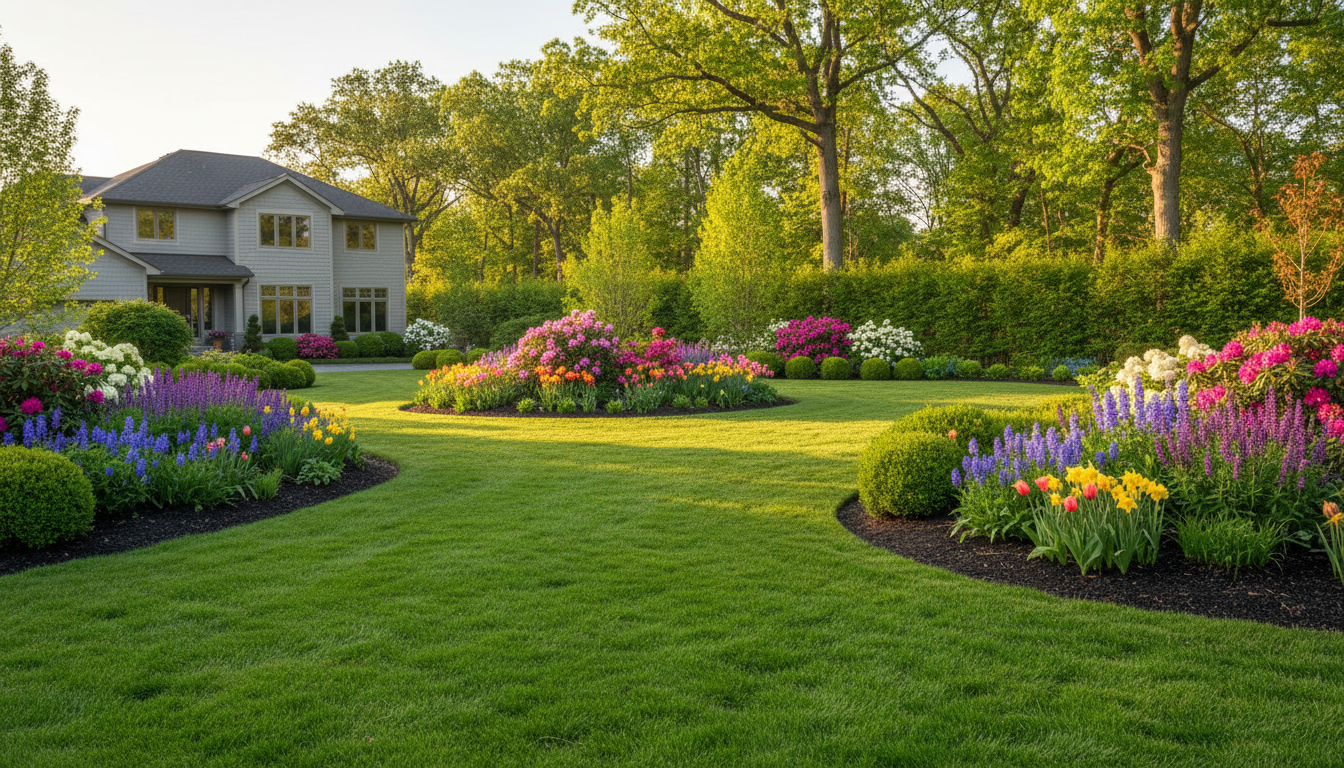
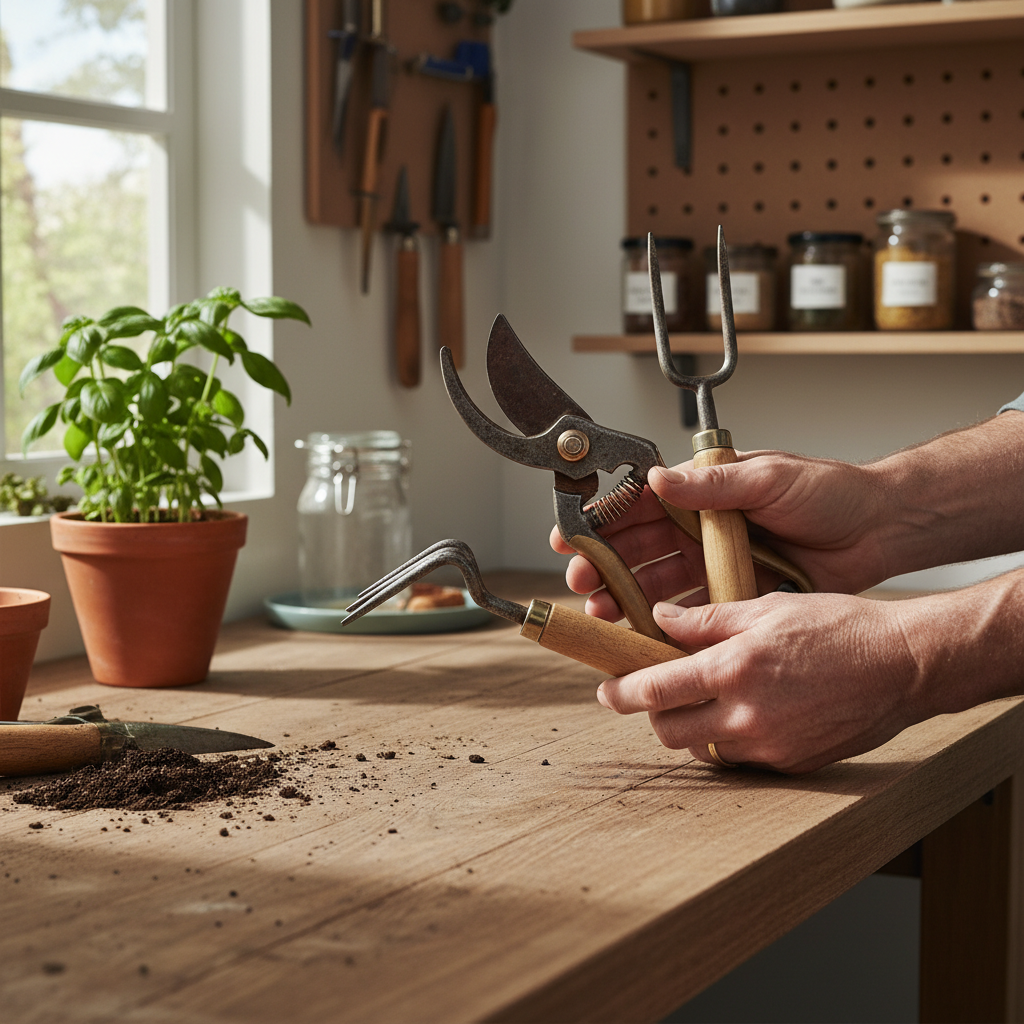
Having the right tools is crucial for effective landscape maintenance. Basic tools include a lawnmower, pruning shears, a trowel, and a garden hose. Investing in high-quality tools can save you time and effort in the long run. Proper storage and maintenance of these tools will also extend their life, ensuring they're ready when you need them.
For larger landscapes, consider adding a leaf blower, hedge trimmer, and even a wheelbarrow to your toolkit. These can help manage larger tasks with ease.
Seasonal Care Tips
Each season brings its own set of challenges and opportunities for landscape maintenance. In the spring, focus on cleaning up debris and preparing your soil. This is the time to fertilize and plant new flowers or shrubs. Summer calls for regular watering and pest control, while autumn is perfect for pruning and raking leaves.
Winter, on the other hand, requires protecting your plants from frost and ensuring that pathways are clear of snow and ice. Adjusting your maintenance routine according to the seasons will keep your landscape looking its best all year round.
Watering Strategies
Watering is one of the most essential aspects of landscape maintenance. It's important to water deeply but infrequently to encourage deep root growth. Early morning is the best time to water, as it reduces evaporation and fungal diseases. Consider installing a drip irrigation system for more efficient and consistent watering.
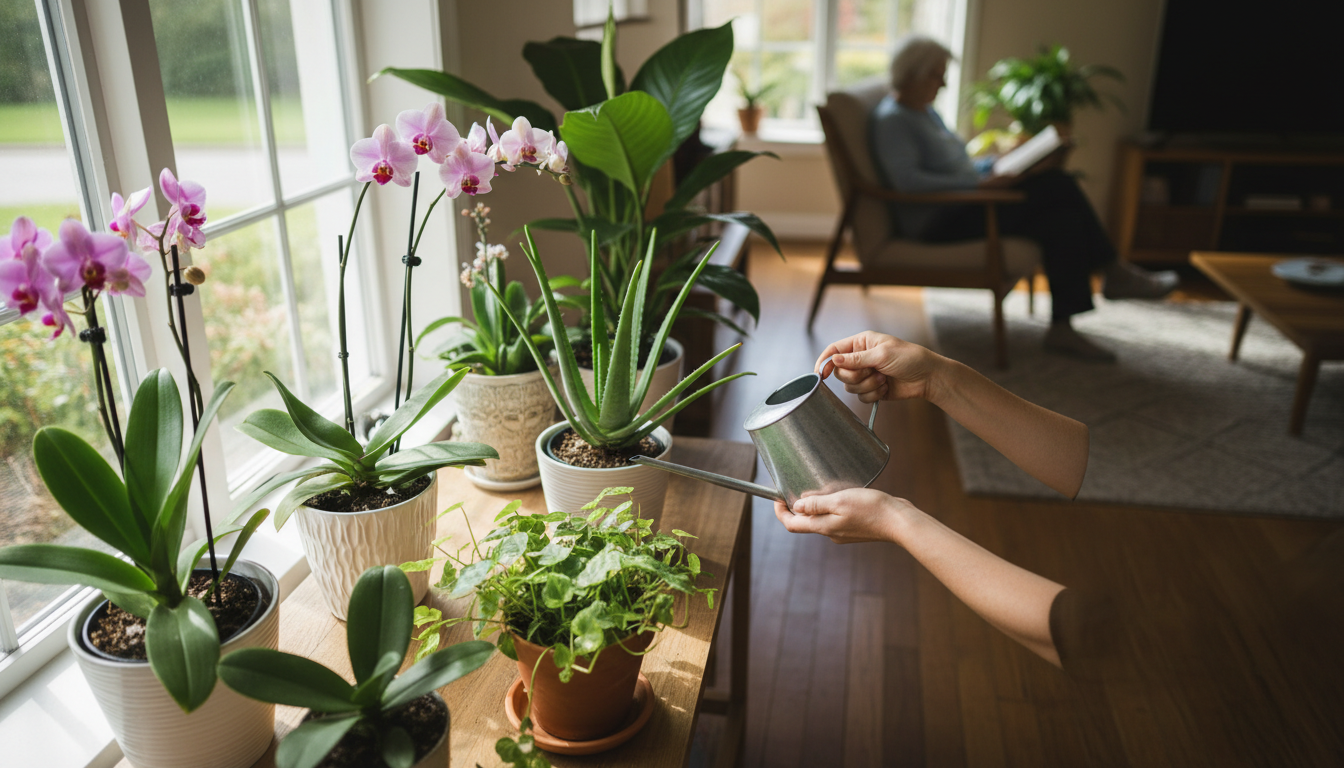
Be mindful of local water restrictions and try to incorporate drought-resistant plants into your landscape to reduce water usage.
Integrated Pest Management
Pests can wreak havoc on your landscape if not managed properly. Integrated Pest Management (IPM) is a holistic approach that combines different strategies to control pests effectively. This includes using natural predators, introducing barriers, and applying pesticides only when necessary.
Regularly inspect your plants for signs of pest activity and take action promptly to prevent infestations from spreading.
Soil Health and Fertilization
Healthy soil is the foundation of a thriving landscape. Regularly test your soil to determine its nutrient levels. Based on the results, apply the appropriate fertilizers to maintain soil health. Organic options like compost and mulch not only enrich the soil but also improve its structure and moisture retention.
Remember that over-fertilization can harm your plants, so always follow the recommended guidelines for application.