Seasonal Lawn Care Tips: Preparing Your Yard for Changes in Weather


Understanding Seasonal Lawn Care
As the seasons change, so do the needs of your lawn. To keep your yard looking its best year-round, it's essential to tailor your lawn care practices to the specific requirements of each season. Whether it's the scorching heat of summer or the chilly embrace of winter, each season presents unique challenges and opportunities for lawn maintenance.

Spring: Revitalizing Your Lawn
Spring is a time of renewal, making it the perfect season to rejuvenate your lawn after the harsh winter months. Start by thoroughly raking your yard to remove debris, dead grass, and leaves. This helps the soil breathe and prepares it for new growth. Aerating the soil can further improve nutrient absorption and root development.
Once the ground is prepared, focus on fertilization. Use a balanced fertilizer to give your grass the nutrients it needs to thrive. Spring is also the ideal time to overseed any bare patches and apply pre-emergent herbicides to prevent weeds from taking hold.
Mowing and Watering
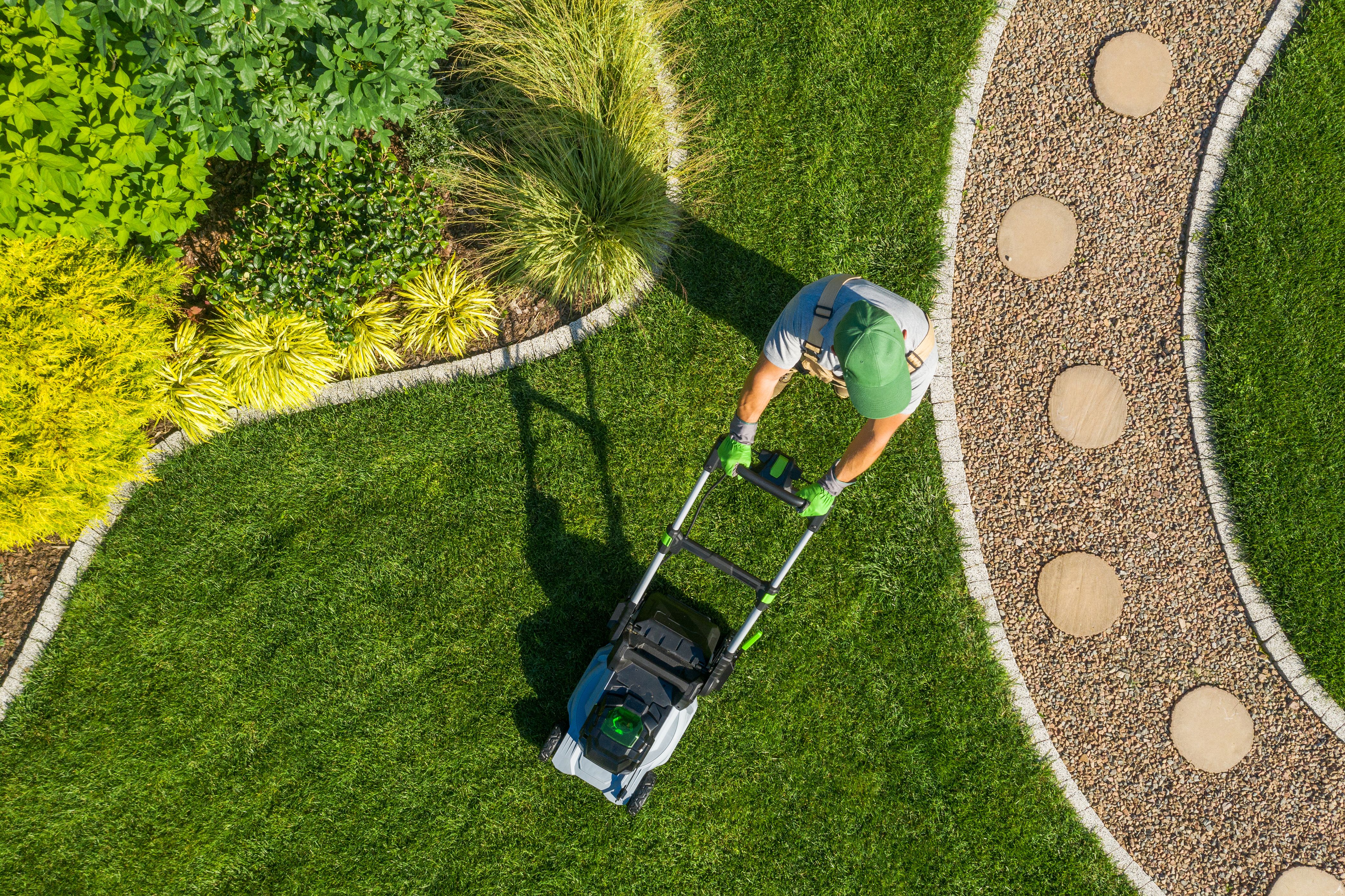
As your grass starts to grow, regular mowing is crucial. Set your mower blades to a higher setting to avoid cutting the grass too short, which can stress the plants. Watering deeply but infrequently encourages deep root growth, helping your lawn withstand drier periods.
Summer: Maintaining a Healthy Yard
Summer can be tough on lawns due to increased temperatures and reduced rainfall. Focus on watering your lawn early in the morning to minimize evaporation and disease. Adjust your mowing practices to keep the grass slightly taller, providing shade to the roots and reducing water loss.
In addition to these practices, watch out for pests and diseases that thrive in warm weather. Regularly inspect your lawn for signs of trouble, and address issues promptly to prevent them from spreading.
Feeding and Protecting
Consider applying a slow-release fertilizer to maintain nutrient levels during the growing season. Protect your lawn from foot traffic and heavy equipment, as compacted soil can hinder growth and health.
Fall: Preparing for Dormancy
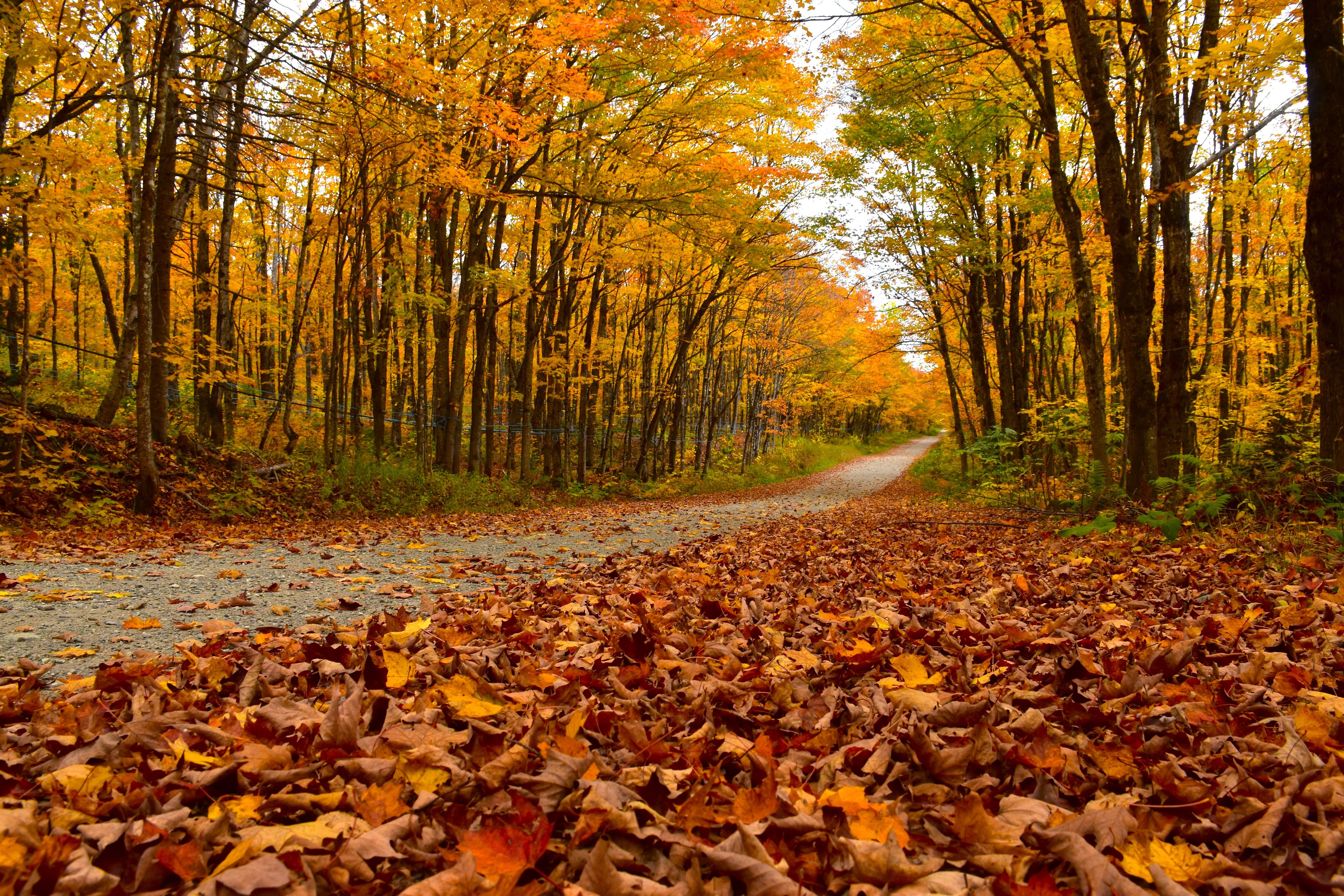
Autumn is a critical time to prepare your lawn for the coming winter. Begin by removing fallen leaves and debris to prevent suffocation and disease. Aerate the soil once more to alleviate compaction and enhance nutrient absorption.
Apply a fall fertilizer rich in potassium to strengthen the grass for winter hardness. This is also an ideal time for overseeding, filling in any bare or thin patches to ensure a lush lawn in the spring.
Final Mowing and Winterizing
As temperatures drop, gradually reduce your mowing height for the final cuts of the season. This helps prevent disease and prepares the grass for dormancy. Drain and store hoses and irrigation systems to protect them from freezing temperatures.
Winter: Protecting Your Lawn
Though your lawn requires less attention in winter, there are still steps you can take to ensure its health. Avoid walking on frost-covered grass to prevent damage. Apply a thin layer of mulch or straw to protect vulnerable areas from harsh weather.
Monitor your lawn's condition throughout the winter, and be ready to address any issues promptly. By taking these steps, you'll set the stage for a healthy, vibrant lawn when spring arrives.