Seasonal Lawn Care Tips: Preparing Your Garden for Each Season


Spring: Reviving Your Lawn
As the cold winter months fade away, spring brings a fresh start for your garden. Begin by raking away any dead leaves and debris that may have accumulated. This will allow sunlight and air to reach the soil, promoting healthy growth.

Next, consider aerating your lawn. Aeration involves perforating the soil with small holes to allow water, nutrients, and air to penetrate the roots. This process can significantly improve the health of your grass. Follow up by applying a balanced fertilizer to nourish your lawn as it wakes from its winter slumber.
Spring Planting Tips
Spring is the perfect time to plant new seeds or sod. Be sure to choose a grass type that suits your climate and the specific conditions of your yard. Water newly planted areas regularly, but be cautious of overwatering, as this can lead to root rot.
Summer: Maintaining Vibrancy
During the hot summer months, your lawn requires consistent care to maintain its lush appearance. Mowing should be done regularly, but avoid cutting the grass too short, as longer blades provide shade, keeping the soil cooler and retaining moisture.

Water your lawn deeply, but less frequently. This encourages deeper root growth, making your grass more resilient during drought conditions. Early morning is the optimal time for watering to reduce evaporation and fungal diseases.
Pest and Weed Control
Summer is also a prime time for pests and weeds. Regularly inspect your lawn for signs of insects or unwanted plants. Use natural or chemical treatments as necessary, but always follow the instructions to avoid harming your garden.
Fall: Preparing for Dormancy
As temperatures begin to drop, it's essential to prepare your lawn for the winter months. Start by dethatching to remove the thick layer of dead grass and roots. This will prevent diseases and allow for better nutrient absorption.
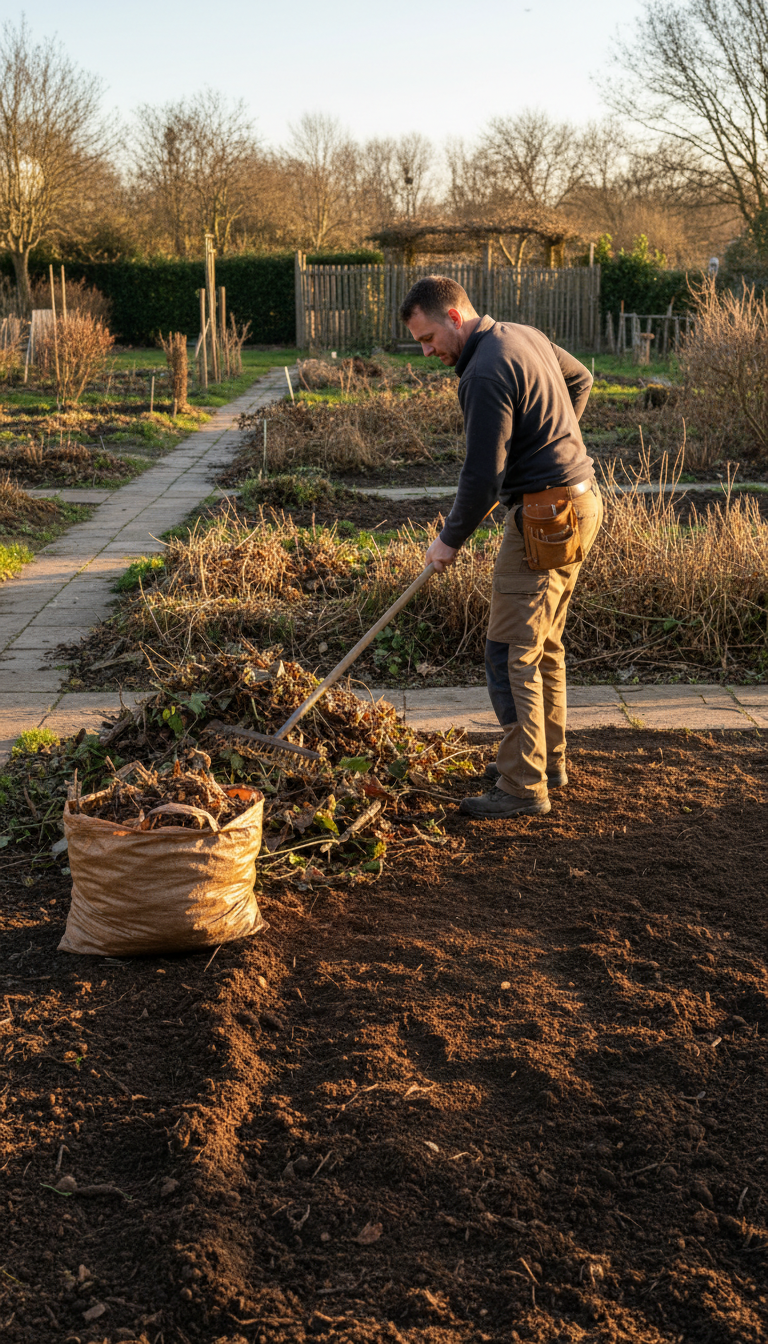
Overseeding can also be beneficial in the fall. This process involves planting new seeds to fill in bare spots, resulting in a thicker lawn come spring. Be sure to choose a seed mix appropriate for fall growth.
Fertilizing in Fall
Applying a slow-release fertilizer in the fall helps to strengthen the roots before winter. This ensures that your lawn has the nutrients it needs to survive the colder months and emerge strong in the spring.
Winter: Protecting Your Lawn
During winter, your lawn enters a period of dormancy. To protect it, avoid excessive foot traffic, as this can damage the grass and compact the soil. If snow accumulates, gently remove it from heavily trafficked areas to prevent suffocation.
Keep an eye on salt and de-icing chemicals, as these can be harmful to your grass. Consider using sand or cat litter on icy paths as alternatives. With proper care, your lawn will be ready to thrive once the warmer months return.