Maintaining a Healthy Lawn in Challenging Weather Conditions


Understanding Your Lawn's Needs
Maintaining a healthy lawn can be challenging, especially under extreme weather conditions. Understanding the specific needs of your grass variety is crucial for tailoring care practices. Knowing the type of grass you have and its unique requirements will help you provide the best care possible.
Different grass types thrive in various climates. Warm-season grasses, such as Bermuda and Zoysia, excel in hot conditions, while cool-season grasses like Fescue and Kentucky Bluegrass prefer milder temperatures. Identifying your grass type is the first step in adjusting your maintenance routine.

Watering Wisely
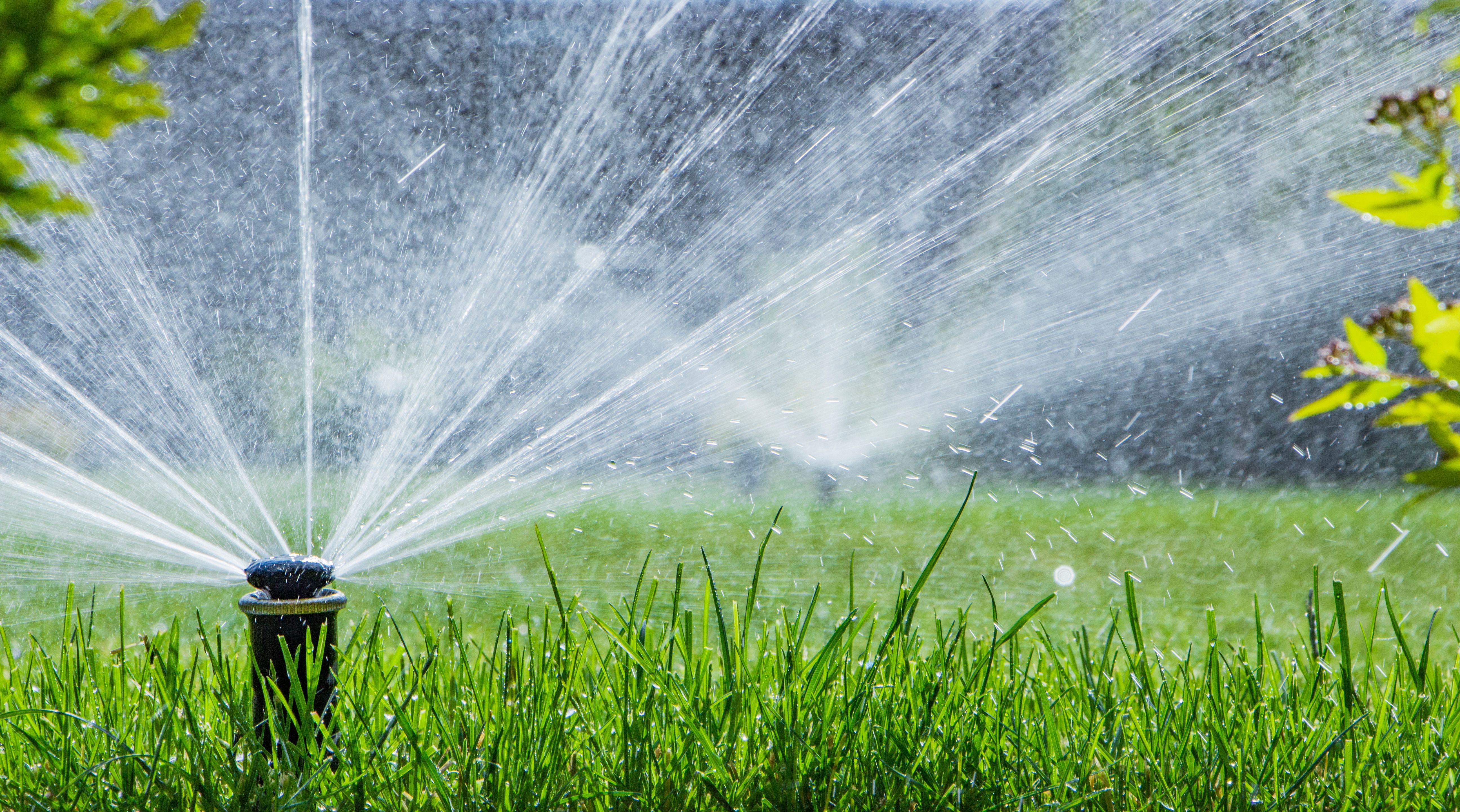
Watering is a critical component of lawn care, but it becomes even more essential during challenging weather. Overwatering or underwatering can lead to problems. In hot and dry conditions, it’s best to water deeply but less frequently to encourage deep root growth.
Early morning is the optimal time for watering. This allows the grass to absorb moisture before the heat of the day. Avoid watering in the evening, as prolonged dampness can promote fungal diseases.
Using Mulch
Mulching is an effective way to retain moisture and keep your lawn healthy. Organic mulch, like grass clippings or shredded leaves, can help the soil retain water and provide essential nutrients as it decomposes.
Dealing with Drought
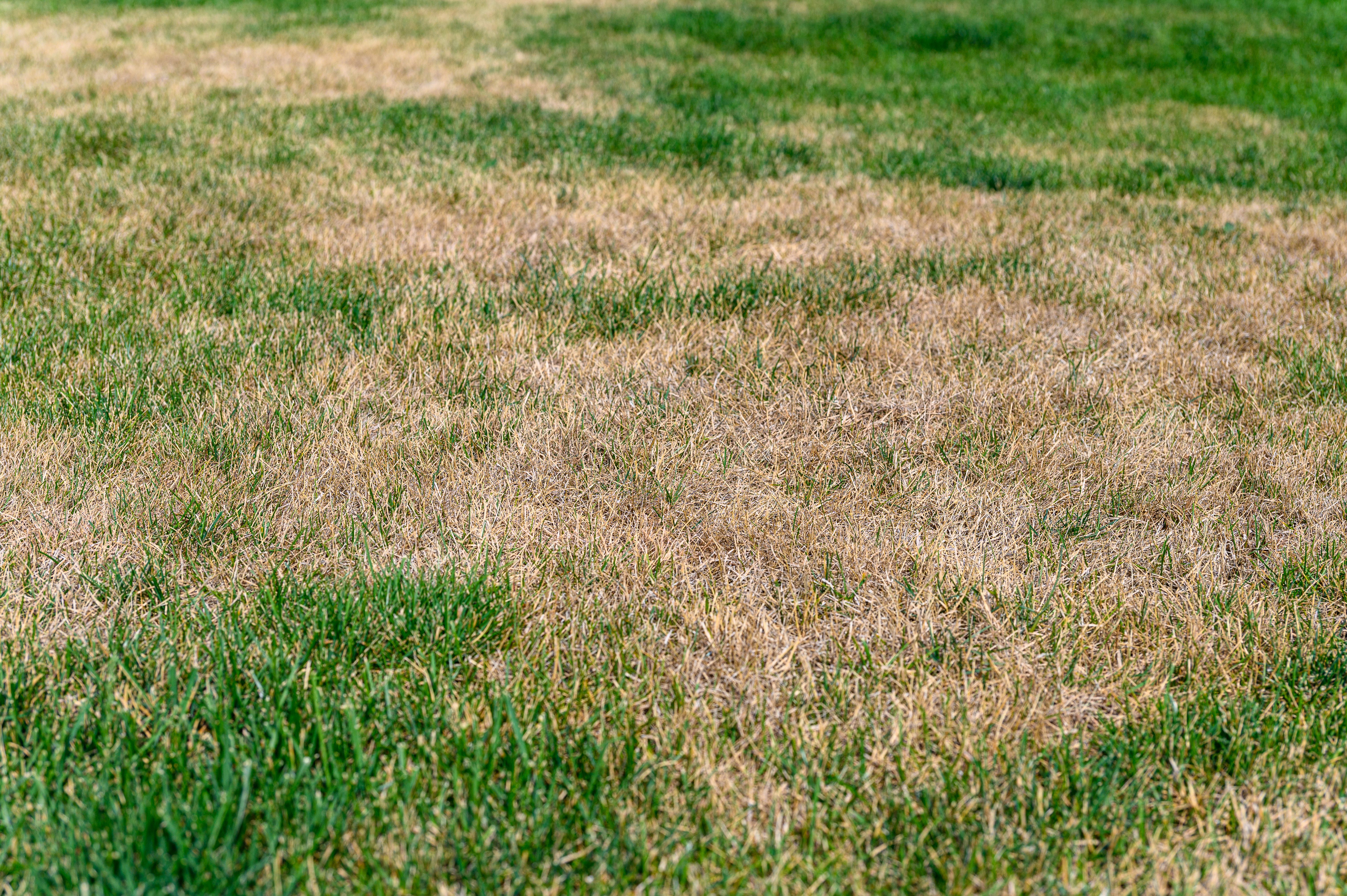
Drought conditions require a strategic approach. Minimize foot traffic on the lawn to reduce stress on the grass. Consider raising the mower blade to leave grass a bit longer, which will provide shade to the roots and reduce evaporation.
During prolonged droughts, allow the lawn to go dormant. Grass will naturally turn brown but can recover with proper care once conditions improve. Avoid fertilizing during drought, as this can stress the grass even more.
Implementing Drought-Resistant Strategies
Investing in drought-resistant grass varieties can be a long-term solution. These grasses are designed to withstand dry conditions better and require less water to maintain their green appearance.
Managing Flood Conditions
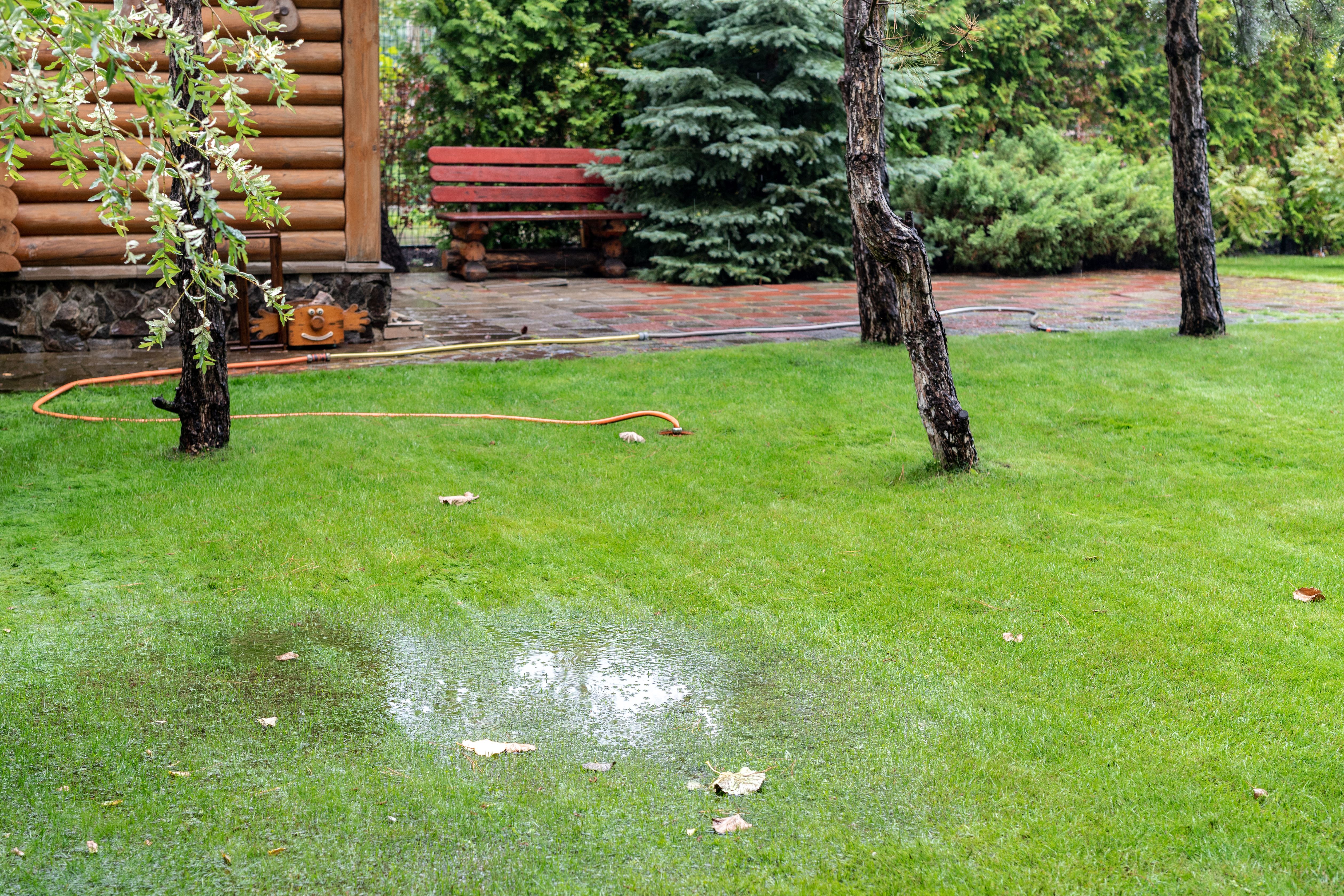
Flooding can be just as damaging as drought. To protect your lawn, ensure proper drainage to prevent water from pooling. Aerating the soil can improve drainage and help water reach the roots more effectively.
If flooding occurs, remove debris promptly to prevent damage and allow the grass to breathe. Once the water recedes, avoid mowing until the lawn has dried out to prevent further stress.
Repairing Damage
After extreme weather, some lawn damage may be inevitable. Overseeding can help repair thin or bare patches, and applying a balanced fertilizer will support new growth. Patience is key, as recovery can take time.
Conclusion
Maintaining a healthy lawn in challenging weather requires adaptability and understanding. By knowing your grass type, watering wisely, and implementing the right strategies for drought and flood conditions, you can keep your lawn thriving year-round.
Regular monitoring and adjustments to your lawn care routine will ensure it remains lush and resilient, no matter what the weather brings. With the right approach, your lawn can be a vibrant centerpiece of your outdoor space.