How to Maintain Your Lawn During Drought Conditions


Understanding Drought Conditions
During drought conditions, maintaining a lush, green lawn can be challenging. Reduced water availability requires homeowners to adapt their lawn care practices. Understanding your lawn's needs is crucial to keep it healthy and resilient.
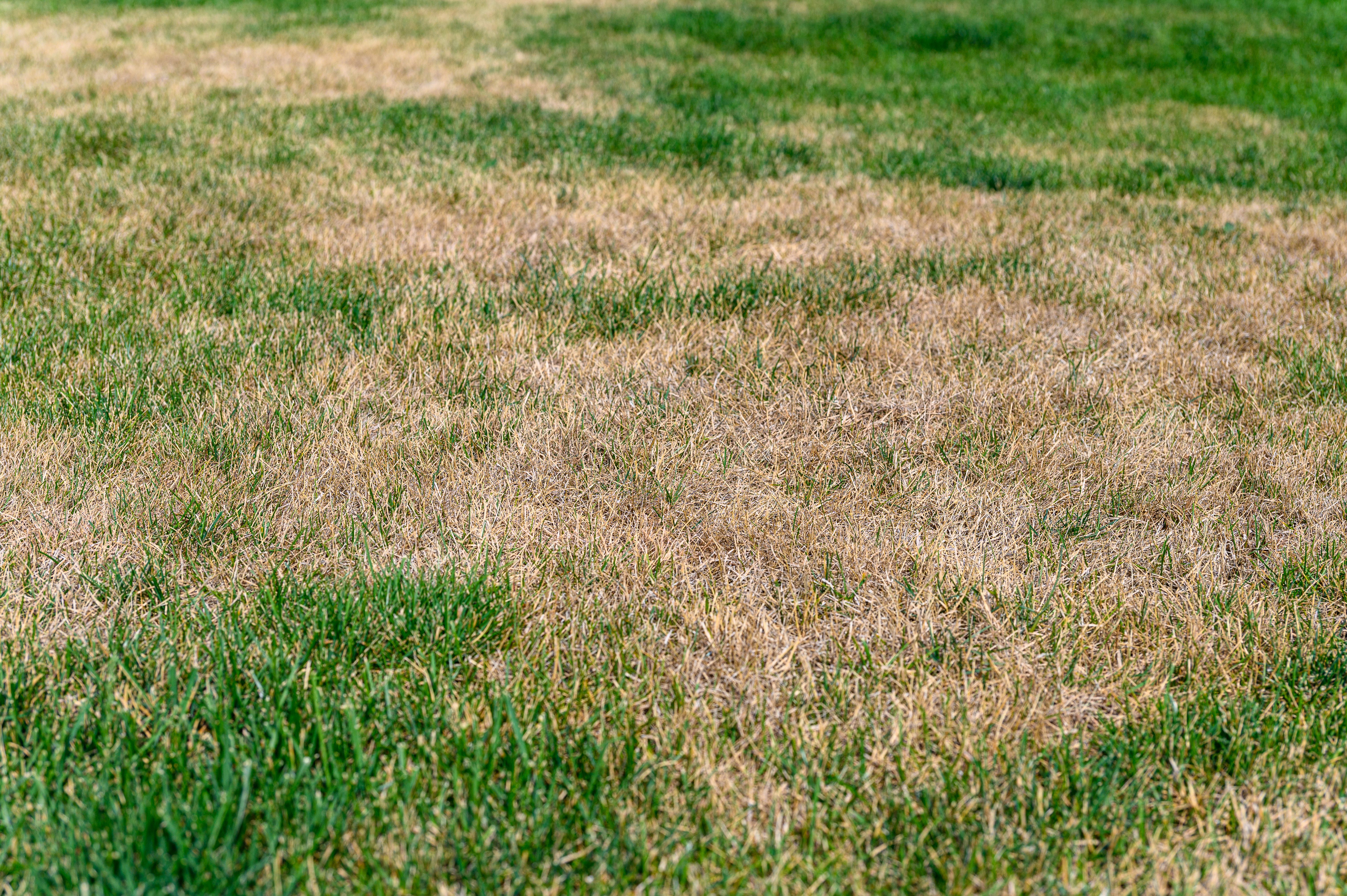
Grass can enter a dormant state during droughts, turning brown but not necessarily dying. This is a natural defense mechanism to conserve water. Knowing how to support this process can help your lawn bounce back when conditions improve.
Water Wisely
Water conservation is essential during droughts. Implementing efficient watering techniques can make a significant difference. Early morning watering reduces evaporation and ensures water reaches the roots. Consider using drip irrigation or soaker hoses to minimize water waste.
Water deeply and less frequently to encourage deep root growth. This practice helps grass withstand dry conditions better. Monitor local regulations on water usage to ensure compliance with any restrictions.
Alternative Water Sources
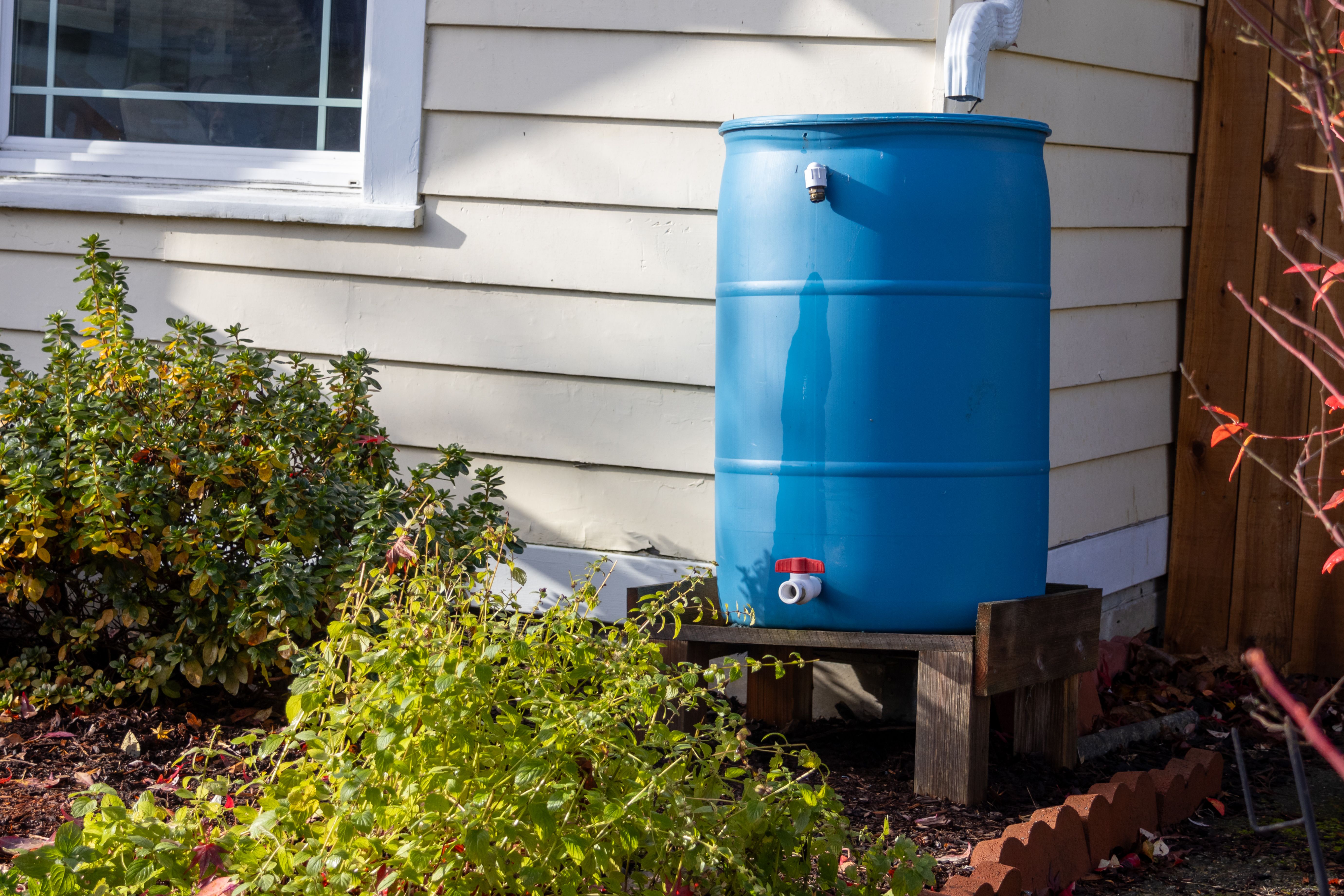
Collecting rainwater using barrels can provide an additional water source. It’s an environmentally friendly option that allows you to care for your lawn without relying solely on the municipal supply.
Adjust Mowing Practices
Mowing your lawn correctly is crucial during drought. Set your mower blades higher to leave grass longer. Taller grass shades the soil, reducing evaporation and keeping roots cooler.
Avoid mowing during the hottest part of the day. Mowing in the evening or early morning is gentler on the grass. Make sure your mower blades are sharp to prevent tearing the grass, which can lead to further stress.
Limit Foot Traffic
During drought, lawns are more vulnerable to damage. Limiting foot traffic can help prevent compaction and stress. Consider designating certain areas for walking to protect the main sections of your lawn.

Fertilize with Care
Fertilizing during a drought can be tricky. Too much fertilizer can harm your lawn by increasing its need for water. Use slow-release fertilizers sparingly and only when necessary to avoid over-stressing the grass.
Opt for fertilizers that are high in potassium, as they can strengthen grass and improve drought resistance. Always follow the manufacturer's instructions for best results.
Embrace Mulching
Mulching is an effective way to conserve moisture. Leave grass clippings on the lawn after mowing to act as a natural mulch. This layer helps retain moisture, reduces soil temperature, and adds nutrients back into the soil as it decomposes.
By following these strategies, you can help your lawn survive and even thrive during drought conditions. Remember, patience and consistent care are key to maintaining a healthy lawn despite challenging weather.