How Local Weather Affects Your Lawn Care Strategies


Understanding the Impact of Local Weather on Lawn Care
Maintaining a lush, green lawn is a goal for many homeowners, but achieving this can be challenging due to varying local weather conditions. Understanding how your local climate affects your lawn care strategies is crucial for success. Whether you face scorching summers or chilly winters, adapting your approach to the weather can make all the difference.
Temperature Fluctuations and Their Effects
Temperature plays a significant role in determining the type of grass that will thrive in your area. Warm-season grasses, like Bermuda and Zoysia, flourish in hotter climates, while cool-season grasses, such as Kentucky Bluegrass and Fescue, prefer cooler temperatures. Knowing which type is suited to your region helps you choose the right grass for your lawn.
During peak summer months, high temperatures can stress your lawn, leading to brown patches and wilting. To combat this, consider watering deeply but infrequently to encourage deep root growth. In contrast, cool-season grasses may require more frequent watering and possibly some shade protection during extreme heat.
Rainfall and Irrigation Considerations
Rainfall is another critical factor in lawn care. Regions with consistent rainfall benefit from natural watering, which reduces the need for supplemental irrigation. However, areas prone to drought require strategic watering practices to maintain a healthy lawn. Installing an efficient irrigation system can help manage water usage effectively.

To prevent overwatering, consider using a rain gauge to measure precipitation levels. This tool helps adjust your watering schedule based on actual rainfall, ensuring your lawn gets just the right amount of water.
Adapting to Seasonal Changes
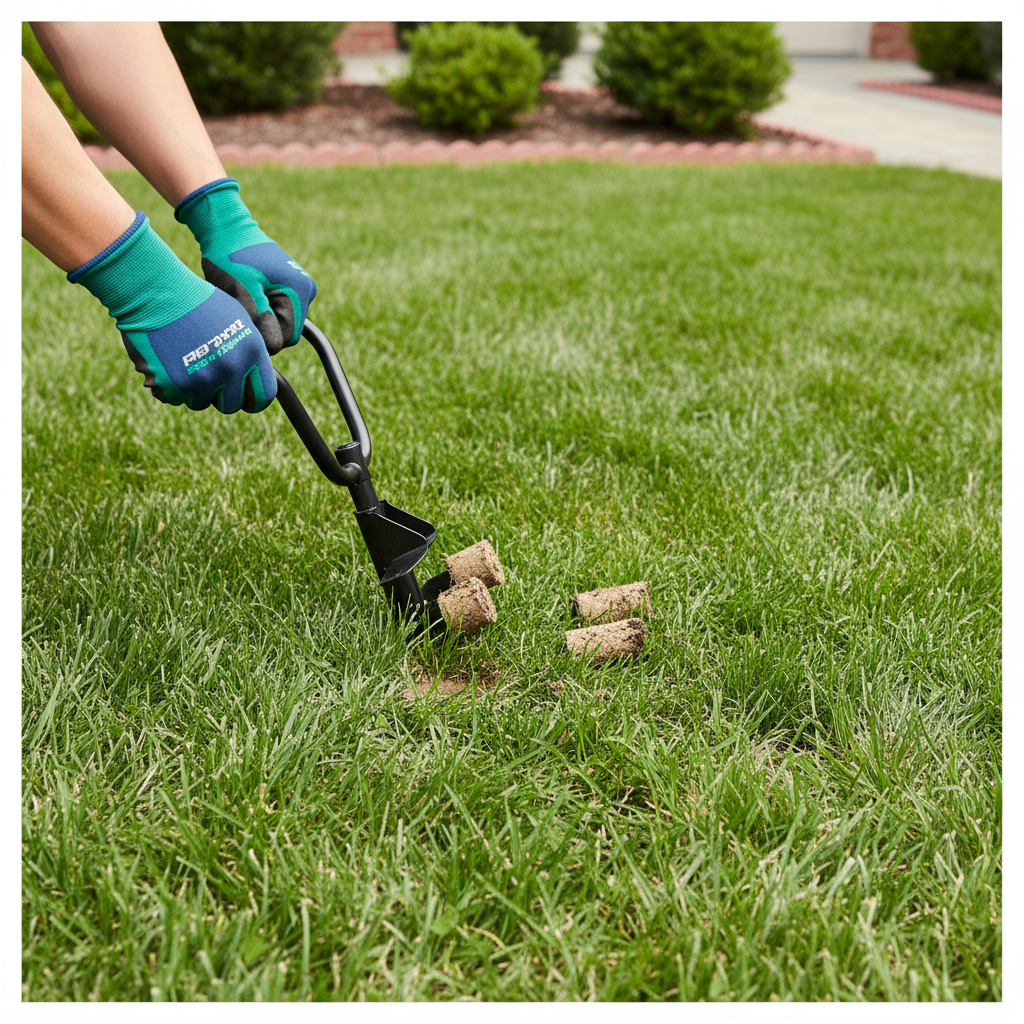
Each season brings its unique challenges and opportunities for lawn care. In spring, focus on removing debris and aerating the soil to promote new growth. Fertilizing during this time can also help your lawn recover from winter dormancy.
Autumn is an excellent time for overseeding and applying a slow-release fertilizer. This preparation helps your lawn withstand the upcoming winter months, ensuring a healthy regrowth in spring.

Dealing with Extreme Weather Events
Extreme weather events like storms, droughts, or unexpected frosts can wreak havoc on your lawn. Preparing your lawn for these conditions involves proper planning and maintenance. For instance, during droughts, raising your mower blade can help shade the soil and retain moisture.
After a storm, it's essential to remove debris and check for any signs of damage. Repairing these areas promptly can prevent further issues and help your lawn recover quickly.
Conclusion
Understanding how local weather affects your lawn care strategies is key to maintaining a vibrant and healthy lawn. By adjusting your approach based on temperature, rainfall, and seasonal changes, you can ensure your grass remains green and resilient all year round. Keeping an eye on weather patterns and preparing for extreme events will help you stay ahead in your lawn care efforts.