Expert Tips for Tree Installation: Ensuring Healthy Growth


The Importance of Proper Tree Installation
Tree installation is more than just placing a sapling in a hole. It involves careful planning and execution to ensure that the tree thrives for years to come. Proper tree installation can significantly impact the growth and health of the tree, making it essential to get it right from the start.
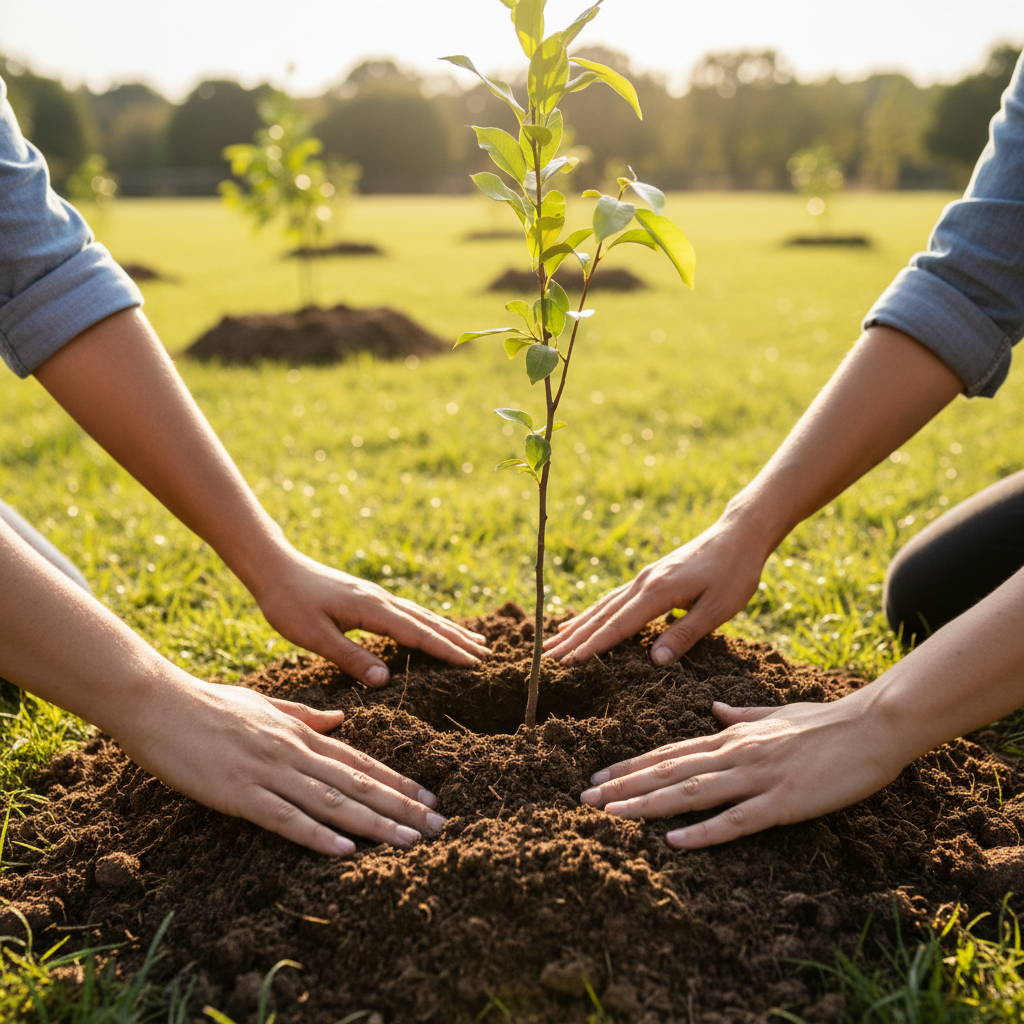
Selecting the Right Tree for Your Space
One of the first steps in tree installation is choosing the right tree species for your location. Consider factors such as climate, soil type, and available space. Some trees might need more sunlight, while others can thrive in shaded areas. Consulting with a local arborist can provide valuable insights into which species are best suited for your area.
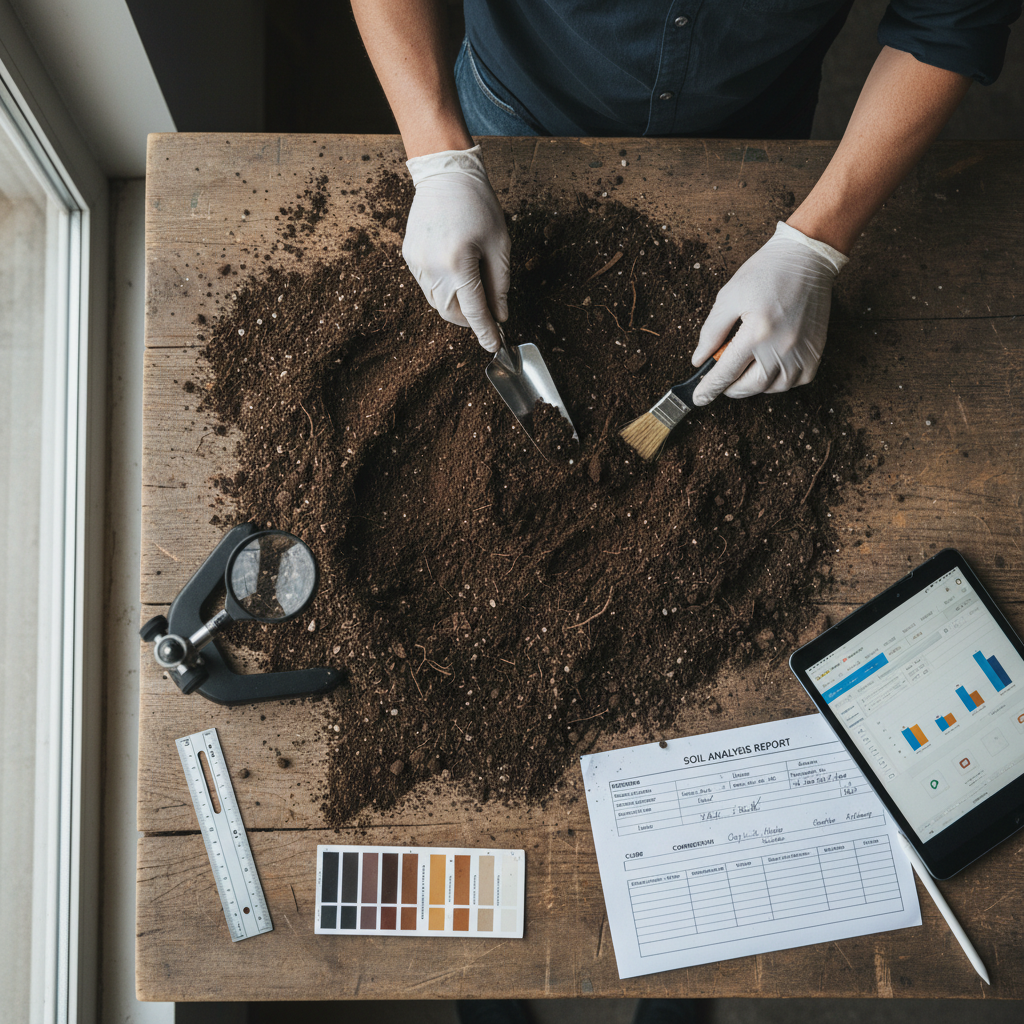
Understanding Soil Conditions
Soil plays a crucial role in the health of a tree. Conduct a soil test to determine pH levels and nutrient content. This information can guide you in selecting trees that will grow well in your soil conditions or indicate if soil amendments are necessary.
Steps for Successful Tree Installation
Proper planting techniques are vital for the healthy growth of a tree. Follow these essential steps to ensure successful tree installation:
- Dig a hole twice as wide but no deeper than the root ball.
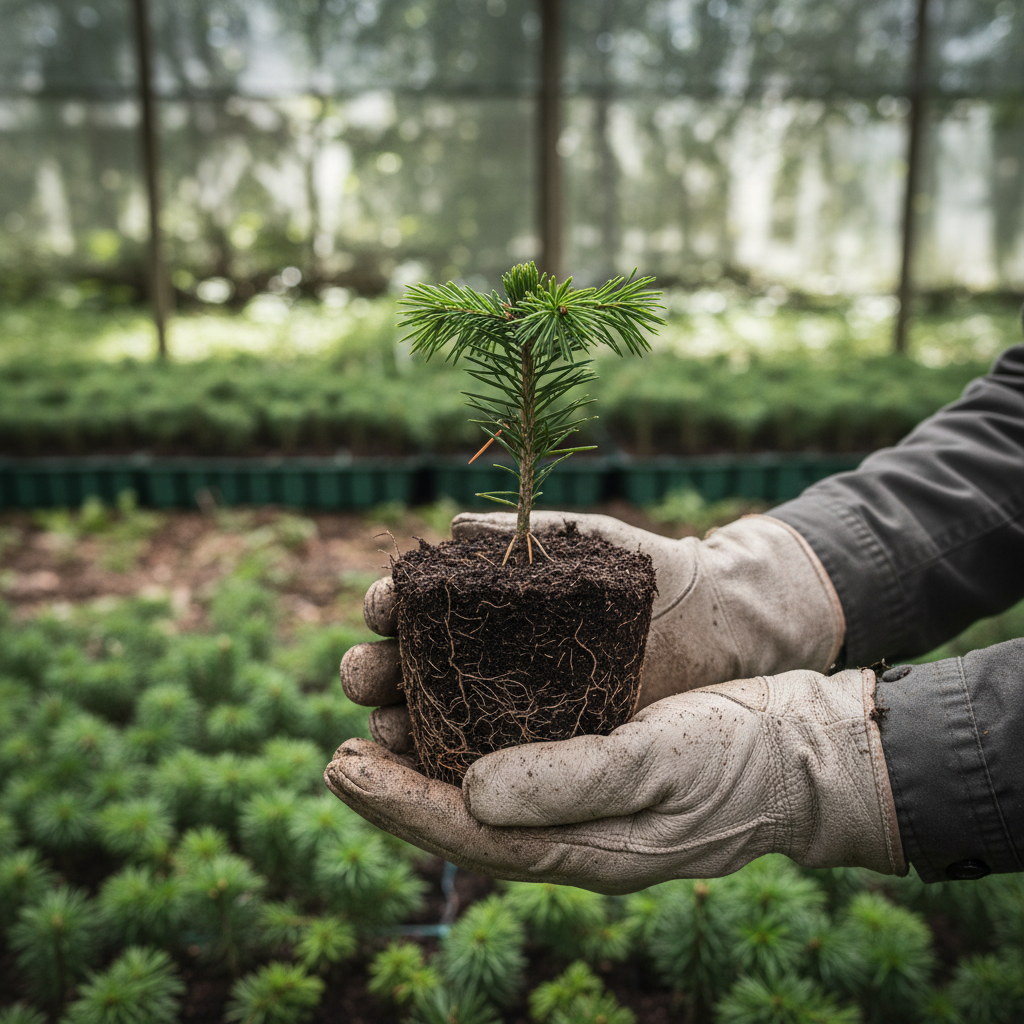
- Remove the tree from its container, carefully loosening any tightly bound roots.
- Place the tree in the center of the hole, ensuring it's upright and level with the surrounding ground.
Watering and Mulching
After installation, water the tree thoroughly to eliminate air pockets and ensure the root ball is well-hydrated. Mulching around the base helps retain moisture, suppress weeds, and regulate soil temperature. Use organic mulch like wood chips or bark, and apply a layer about 2-3 inches thick, keeping it away from the trunk.
Monitoring and Maintenance
Once your tree is planted, ongoing care is essential. Regularly check for signs of stress or disease, and ensure it receives adequate water, especially during dry spells. Pruning should be done as needed to remove dead or damaged branches and to shape the tree.

Long-Term Growth Considerations
As your tree grows, consider its long-term needs. Ensure it has enough space to expand without interference from buildings, power lines, or other trees. Proper planning and installation can lead to a healthy, thriving tree that enhances your landscape for generations.