Expert Tips for Sustainable Gardening Practices


Understanding Sustainable Gardening
Sustainable gardening is about creating a healthy environment that supports both plant and animal life. It's a method that emphasizes conservation and efficiency, making it a holistic approach to gardening. By employing sustainable practices, gardeners can reduce waste, save water, and minimize the use of harmful chemicals.
Soil Health and Composting
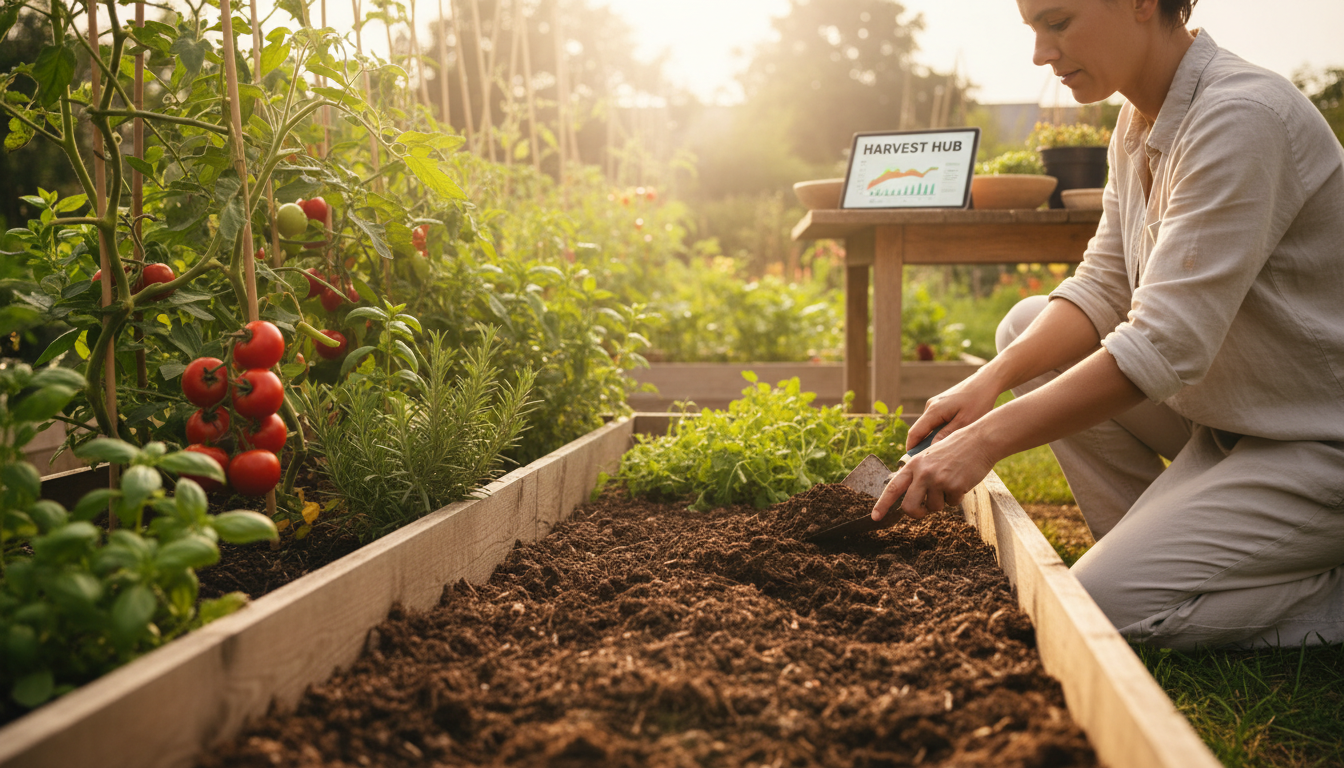
Healthy soil is the foundation of any sustainable garden. By improving soil health, gardeners can ensure their plants receive the nutrients they need. Composting is an excellent way to enrich soil naturally. It involves recycling organic waste like kitchen scraps and yard clippings into a nutrient-rich amendment for your garden.
To start composting, create a compost pile or bin in a shaded area. Regularly turn the compost to aerate it, and be patient—it can take several months to a year for compost to be ready. The result is a natural fertilizer that promotes healthy plant growth.
Water Conservation Techniques
Conserving water is a critical component of sustainable gardening. One effective technique is the use of drip irrigation systems, which deliver water directly to the plant roots, minimizing evaporation. Additionally, collecting rainwater in barrels can provide a free and eco-friendly water source for your garden.

Mulching is another strategy that helps retain soil moisture. By covering the soil with organic materials like straw or wood chips, you can reduce water evaporation and keep the soil temperature consistent. This not only conserves water but also suppresses weeds and adds nutrients to the soil as the mulch breaks down.
Choosing the Right Plants
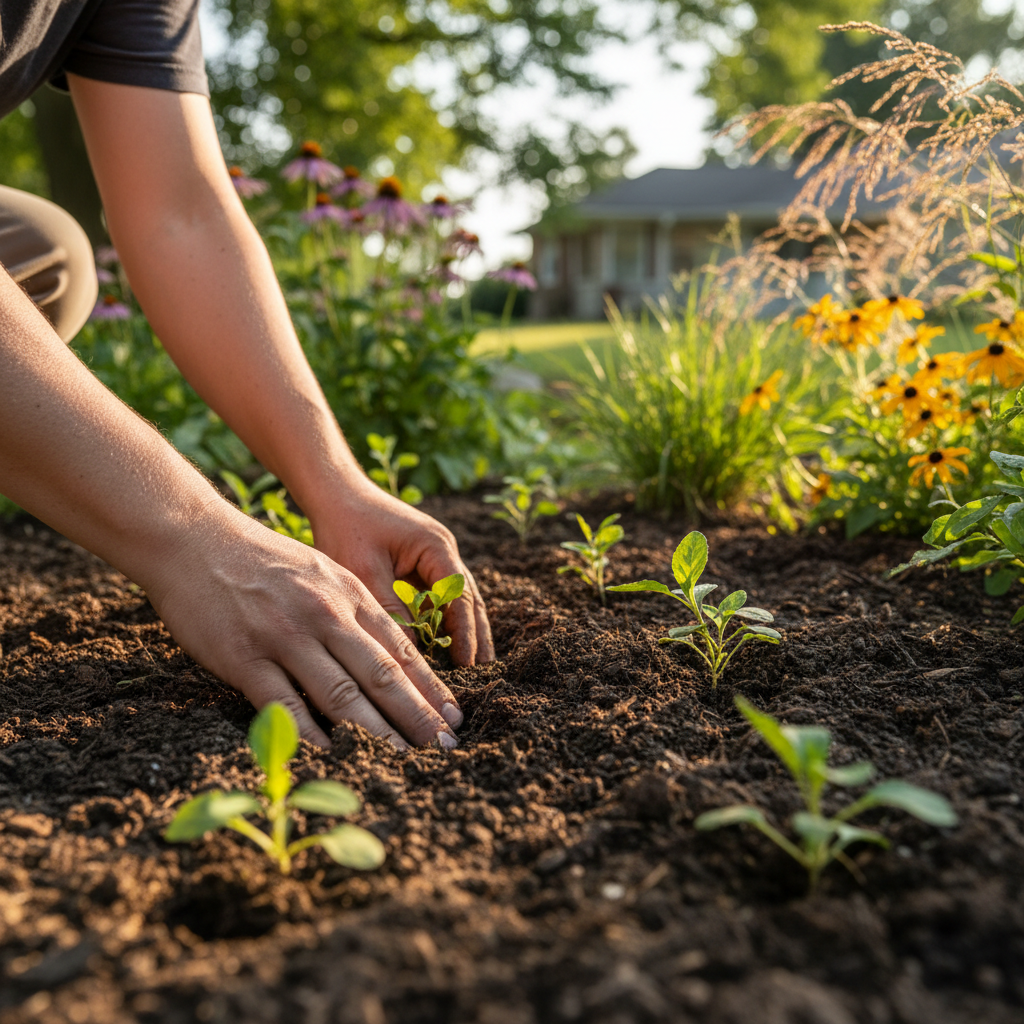
Selecting native plants is essential for sustainable gardening. Native plants are adapted to the local climate and soil conditions, requiring less water and maintenance. They also support local wildlife, including pollinators like bees and butterflies, which are crucial for a thriving garden ecosystem.
Consider creating a diverse garden by mixing different plant species. Diversity helps prevent pest infestations and diseases, as different plants can support various beneficial insects and organisms.
Integrated Pest Management
Integrated Pest Management (IPM) is a sustainable approach to controlling pests in the garden. It involves using a combination of methods such as biological controls, cultural practices, and mechanical tools. For instance, introducing beneficial insects like ladybugs can help control aphid populations naturally.
It's important to monitor your garden regularly for signs of pests and take action early to prevent infestations. By focusing on prevention and using natural solutions, you can maintain a healthy garden without relying on chemical pesticides.
Conclusion
Sustainable gardening is a rewarding practice that benefits both the gardener and the environment. By focusing on soil health, water conservation, plant selection, and pest management, you can create a garden that thrives naturally. These expert tips will help you cultivate a green space that is both beautiful and environmentally friendly.