Expert Advice: Common Landscaping Mistakes and How to Avoid Them


Understanding Soil and Plant Compatibility
One of the most common mistakes in landscaping is not considering the compatibility between soil and plants. Each plant has specific needs regarding soil type, pH level, and drainage. Failing to match these can lead to poor plant health and disappointing results.
Before planting, conduct a soil test to determine its composition and pH. Based on this information, choose plants that thrive in your soil conditions or amend the soil to suit the plants you desire.

Ignoring Plant Growth and Spacing
Another frequent error is neglecting to account for the mature size of plants. Many people plant trees and shrubs too close together, not realizing how large they can grow. This overcrowding can lead to competition for nutrients and sunlight, resulting in stunted growth.
Research the mature size of your plants and provide adequate space for them to grow. This foresight ensures a balanced and visually appealing landscape.
Overlooking Seasonal Changes
A beautiful landscape should offer interest and beauty throughout the year. However, it's easy to focus only on spring and summer blooms, neglecting fall and winter interest.
To avoid this, include a variety of plants that offer different textures, colors, and forms in each season. Consider evergreens, winter-blooming shrubs, and plants with striking fall foliage.
Improper Watering Techniques
Watering mistakes are common and can lead to both underwatering and overwatering. Each plant has unique watering needs, and understanding these can make a significant difference in plant health.
Invest in a drip irrigation system or soaker hoses to deliver water directly to the roots. Additionally, monitor weather conditions to adjust your watering schedule accordingly.
Neglecting Maintenance
Landscaping is not a one-time project but an ongoing process. Many homeowners make the mistake of neglecting regular maintenance, leading to overgrown plants and a lackluster appearance.
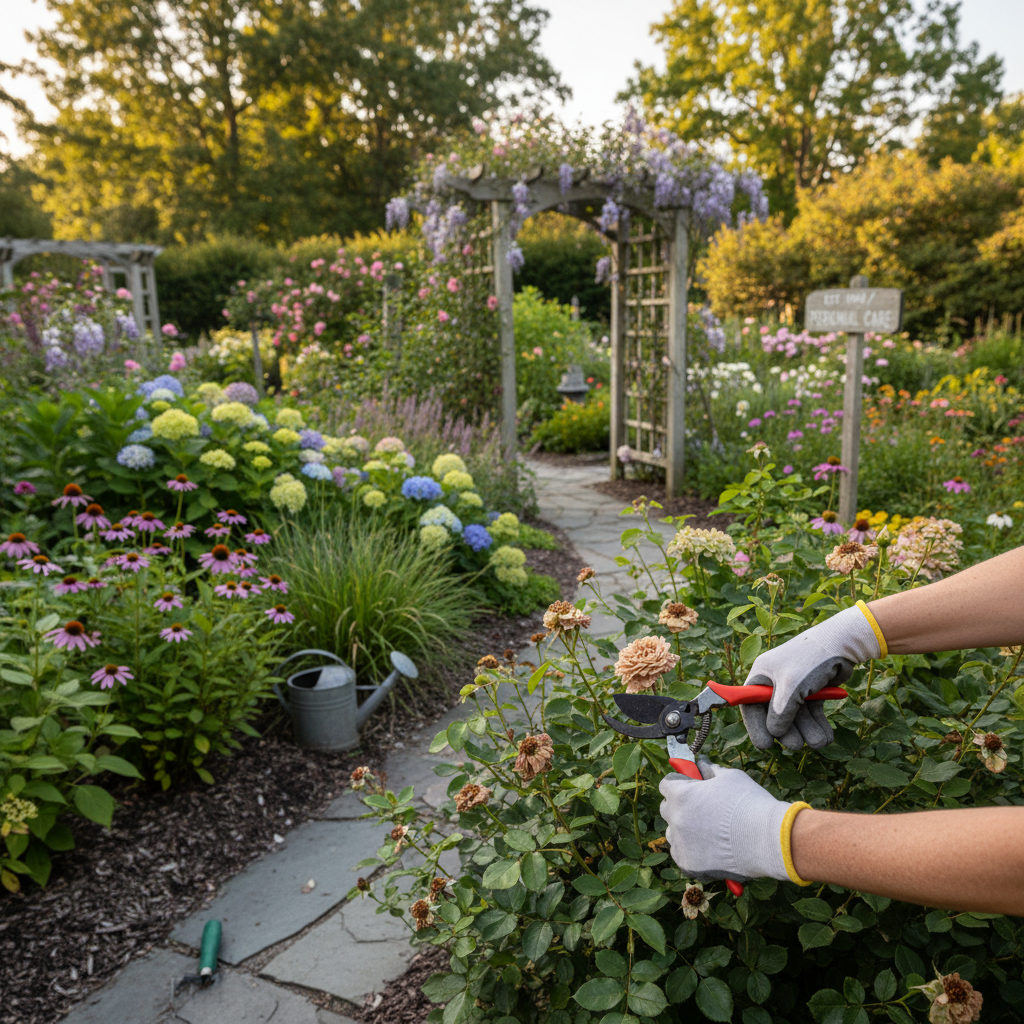
Regular pruning, weeding, and mulching are essential tasks to keep your landscape healthy and attractive. Set a schedule to ensure these tasks are performed consistently.
Choosing Plants Based on Aesthetics Alone
It's tempting to choose plants solely based on their appearance without considering their suitability for your environment. This can lead to plants that struggle to survive or require excessive care.
While aesthetics are important, prioritize native and climate-appropriate plants that are more likely to thrive with minimal intervention.
Ignoring Environmental Impact
Landscaping can significantly impact the local environment. Overusing chemicals, removing native plants, and not considering wildlife can harm the ecosystem.
Opt for organic fertilizers and pest control methods, and include native plants to support local wildlife. This approach helps maintain a balanced and healthy environment.
Conclusion
By being aware of these common landscaping mistakes and taking proactive steps to avoid them, you can create a thriving and beautiful outdoor space. Remember that successful landscaping requires planning, research, and ongoing care.
Whether you're a novice gardener or an experienced landscaper, these expert tips can help you achieve a landscape that not only looks great but also supports the environment and enhances your home's curb appeal.