Eco-Friendly Landscaping: Sustainable Practices for a Greener Garden


Embracing Eco-Friendly Landscaping
Creating a sustainable garden is not only beneficial for the environment but also enhances the beauty of your home. By adopting eco-friendly landscaping practices, you can conserve resources, improve soil health, and support local wildlife. Let's explore some effective strategies to cultivate a greener garden.
Choosing Native Plants
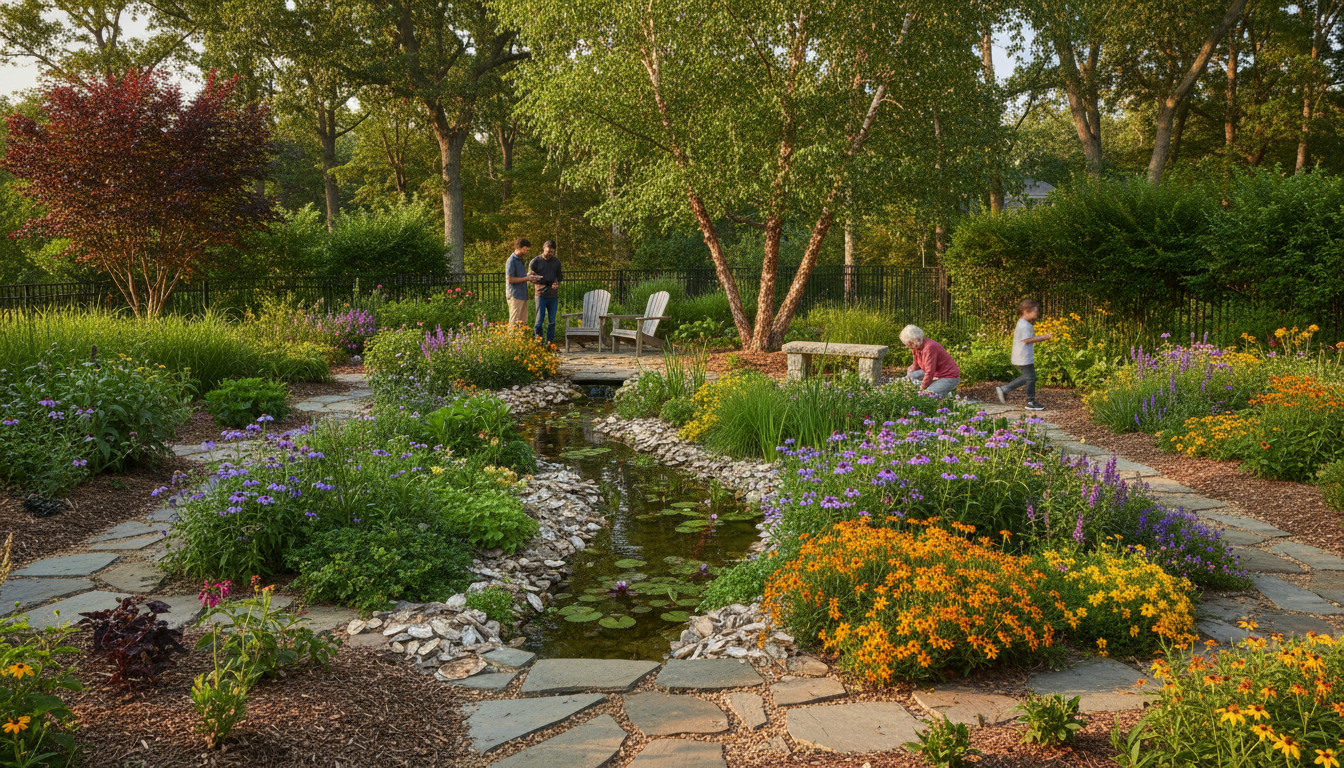
One of the simplest ways to make your garden more sustainable is by planting native species. Native plants are adapted to local climate conditions, require less water, and are more resistant to pests. They also provide essential habitats for local wildlife, promoting biodiversity.
Water Conservation Techniques
Water is a precious resource, and conserving it should be a priority in any eco-friendly garden. Consider installing a rainwater harvesting system to collect rainwater for irrigation. Additionally, using drip irrigation systems can significantly reduce water waste by delivering water directly to the plant roots.

Composting and Soil Health
Healthy soil is the foundation of a thriving garden. Composting is an excellent way to recycle organic waste while enriching the soil with nutrients. By adding compost to your garden, you enhance soil structure, improve water retention, and reduce the need for chemical fertilizers.
Integrated Pest Management
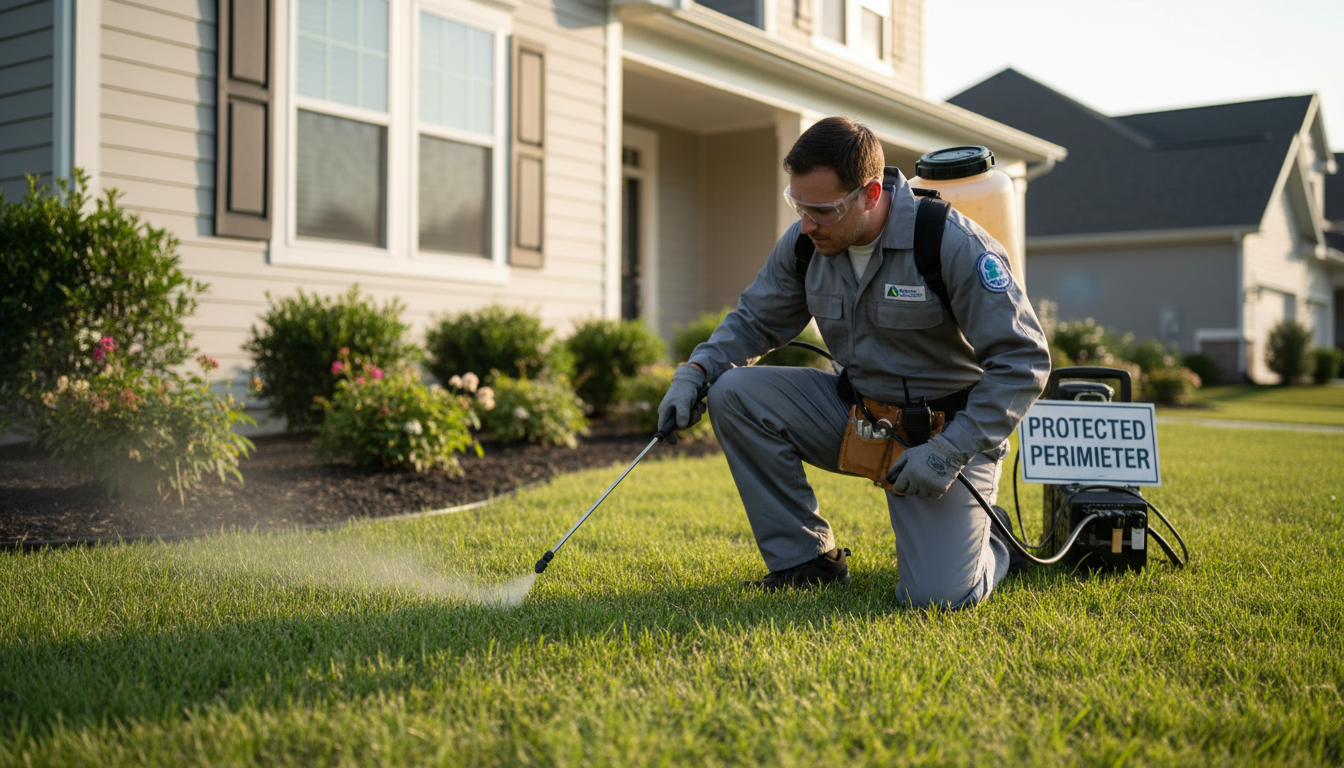
Instead of relying on chemical pesticides, consider implementing Integrated Pest Management (IPM) techniques. This approach combines biological, cultural, and physical methods to control pests. Encourage beneficial insects, like ladybugs, by planting a variety of flowers that attract them.
Creating Wildlife Habitats
Your garden can become a sanctuary for local wildlife by providing food, water, and shelter. Planting a variety of flowering plants will attract bees and butterflies, while bird feeders and birdbaths support local bird populations. These efforts help maintain a balanced ecosystem.
Reducing Lawn Size
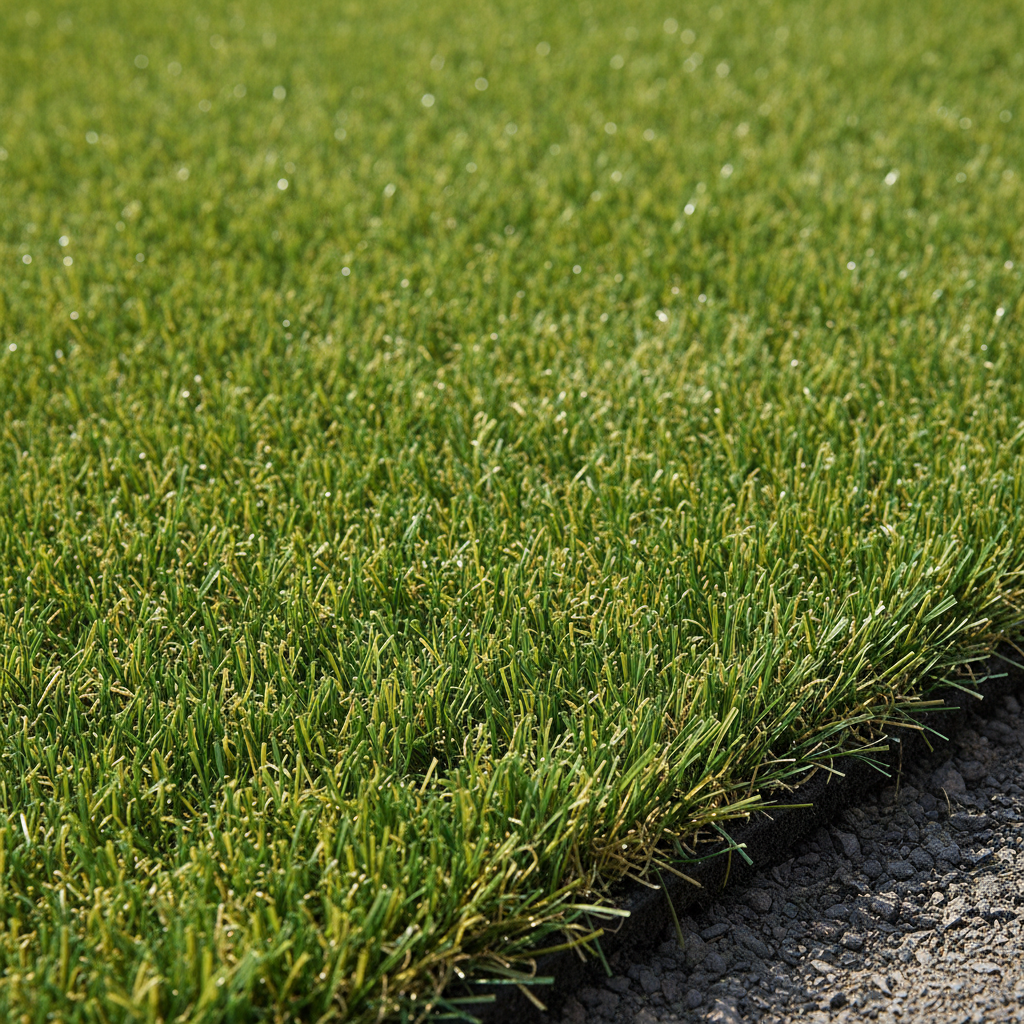
Traditional lawns require significant resources to maintain. Consider reducing your lawn area and replacing it with ground covers, wildflowers, or vegetable gardens. This not only conserves water but also reduces the need for mowing, which lowers carbon emissions.
Using Sustainable Materials
When planning your garden layout, opt for sustainable materials. Use recycled or reclaimed wood for garden structures and choose permeable paving materials to allow rainwater to seep into the ground. These choices help reduce environmental impact and promote sustainability.
Conclusion
By incorporating these eco-friendly landscaping practices, you can create a garden that is not only beautiful but also beneficial to the environment. Embrace sustainability and enjoy the rewards of a greener, more resilient garden that supports the local ecosystem.