DIY Lawn Care: Essential Tips from the Pros


Understanding Your Lawn
Before diving into DIY lawn care, it's essential to understand the type of grass you have. Different grasses thrive in varying climates and soil conditions. Identifying your grass type will help tailor your care practices effectively. For example, cool-season grasses like fescue and bluegrass require different treatments than warm-season grasses such as Bermuda and zoysia.

Soil Testing and Preparation
A crucial step often overlooked is soil testing. A simple soil test can reveal pH levels and nutrient deficiencies. Based on the results, you can adjust the soil with the correct fertilizers or lime to create the optimal environment for your lawn to thrive. Regular soil testing ensures your lawn remains healthy and lush.
Once you have the test results, proper soil preparation is key. Aerating the soil helps improve drainage and allows nutrients to penetrate deeper. This process involves perforating the soil with small holes to let air, water, and nutrients reach the roots.
Choosing the Right Fertilizer
Fertilizers are vital for lawn health, but selecting the right one is crucial. Look for fertilizers that match your lawn's specific needs based on your soil test results. Slow-release fertilizers are often recommended, as they provide nutrients over time, promoting steady growth and reducing the risk of burning your lawn.

Mowing Techniques
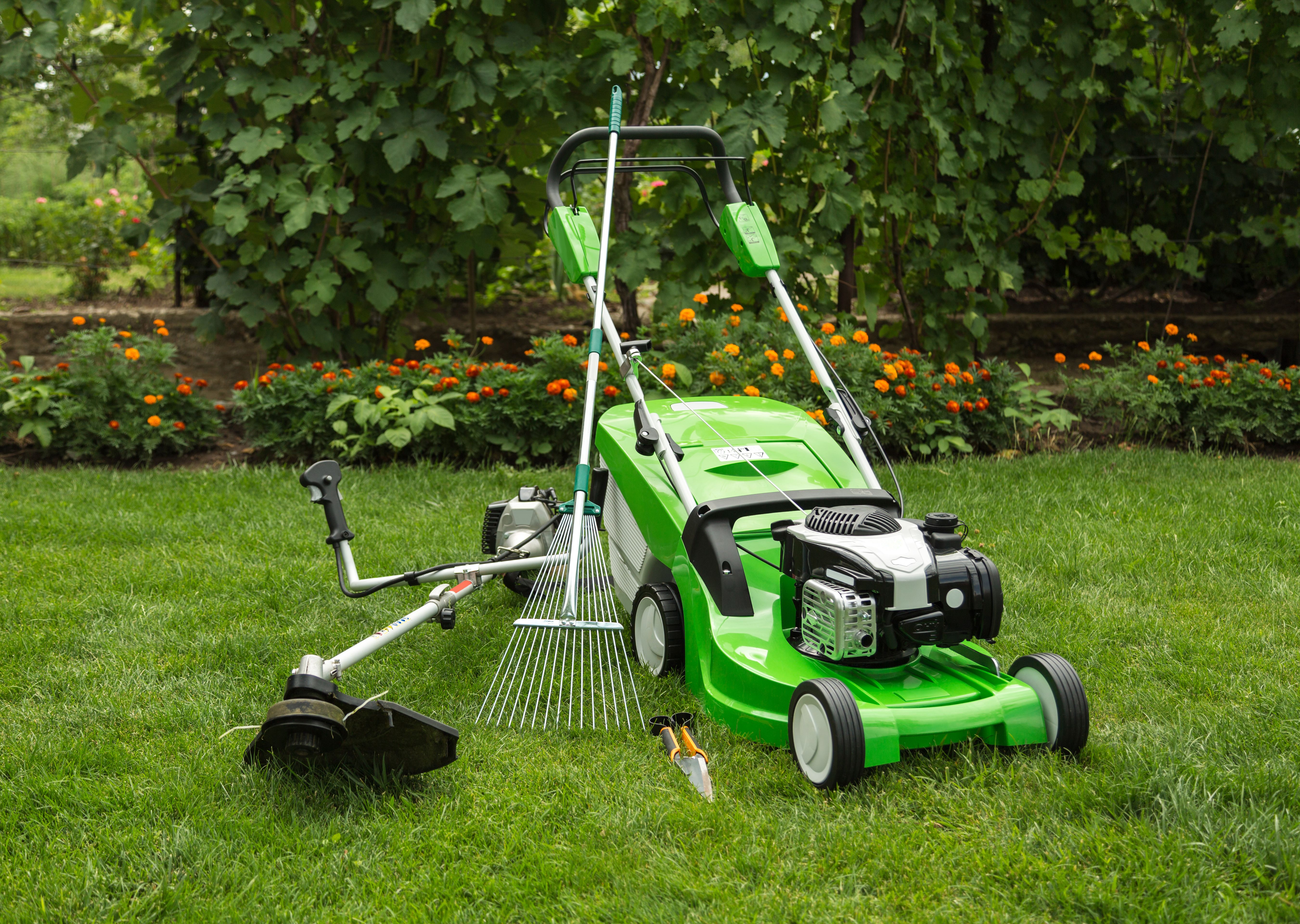
Proper mowing techniques can make a significant difference in your lawn's appearance and health. Aim to keep your grass at an optimal height, which varies by grass type. Typically, you should only remove one-third of the grass blade at each mowing to prevent stress. Regular mowing encourages thicker growth and helps prevent weeds.
Sharpening mower blades is another important aspect of effective mowing. Dull blades tear the grass, causing damage and increasing susceptibility to diseases. Keeping blades sharp ensures a clean cut, promoting healthier grass.
Watering Wisely
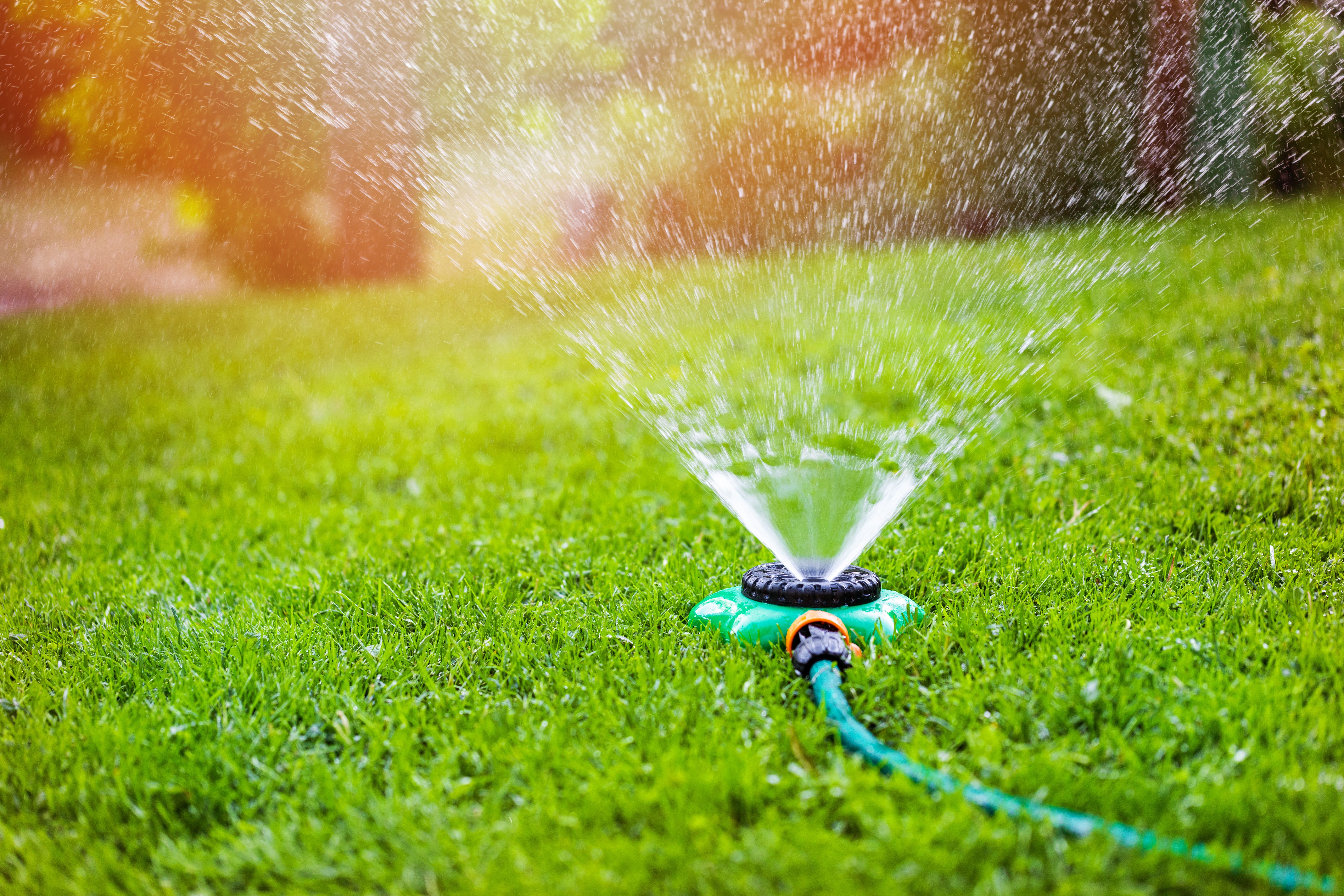
Watering your lawn effectively is more about timing and technique than frequency. Early morning watering is ideal as it reduces evaporation and allows your lawn to absorb moisture before the heat of the day. Deep, infrequent watering encourages deep root growth, making your lawn more drought-resistant.
Weed and Pest Control
Weeds and pests can quickly take over your lawn if not managed properly. Regular monitoring and early intervention are key. For weeds, consider using pre-emergent herbicides in the spring to prevent them from sprouting. For pests, identify the issue early and use targeted treatments to minimize damage.
Organic options are available for both weed and pest control, offering environmentally friendly alternatives to chemical products. These options can be just as effective when used correctly.
Regular Maintenance
Consistent maintenance is crucial for a healthy lawn. Establish a routine that includes mowing, watering, and fertilizing. Additionally, seasonal tasks like dethatching and overseeding help rejuvenate your lawn and fill in bare spots, ensuring a lush appearance year-round.
Conclusion
DIY lawn care can be rewarding and cost-effective when done correctly. By understanding your lawn's specific needs and following these professional tips, you can achieve the lush, green yard of your dreams. Remember, patience and consistency are key to maintaining a beautiful lawn.