DIY Lawn Care: Easy Steps to a Lush Green Lawn


Achieving a lush green lawn doesn't have to be an elusive dream. With a few DIY steps, you can transform your yard into a beautiful, vibrant space that enhances your home's curb appeal. Whether you're a seasoned gardener or a newbie, these tips will guide you towards the perfect lawn.
Understanding Your Lawn
The first step in lawn care is to understand the type of grass you have. Different grasses thrive in different climates and soil types. Knowing your grass type will help you tailor your care routine to meet its specific needs. Common types include Bermuda, Kentucky Bluegrass, and Fescue.
Once you've identified your grass, it's crucial to test your soil. A simple soil test kit can help you determine the pH and nutrient levels. This information is key to knowing what amendments are necessary for optimal growth.
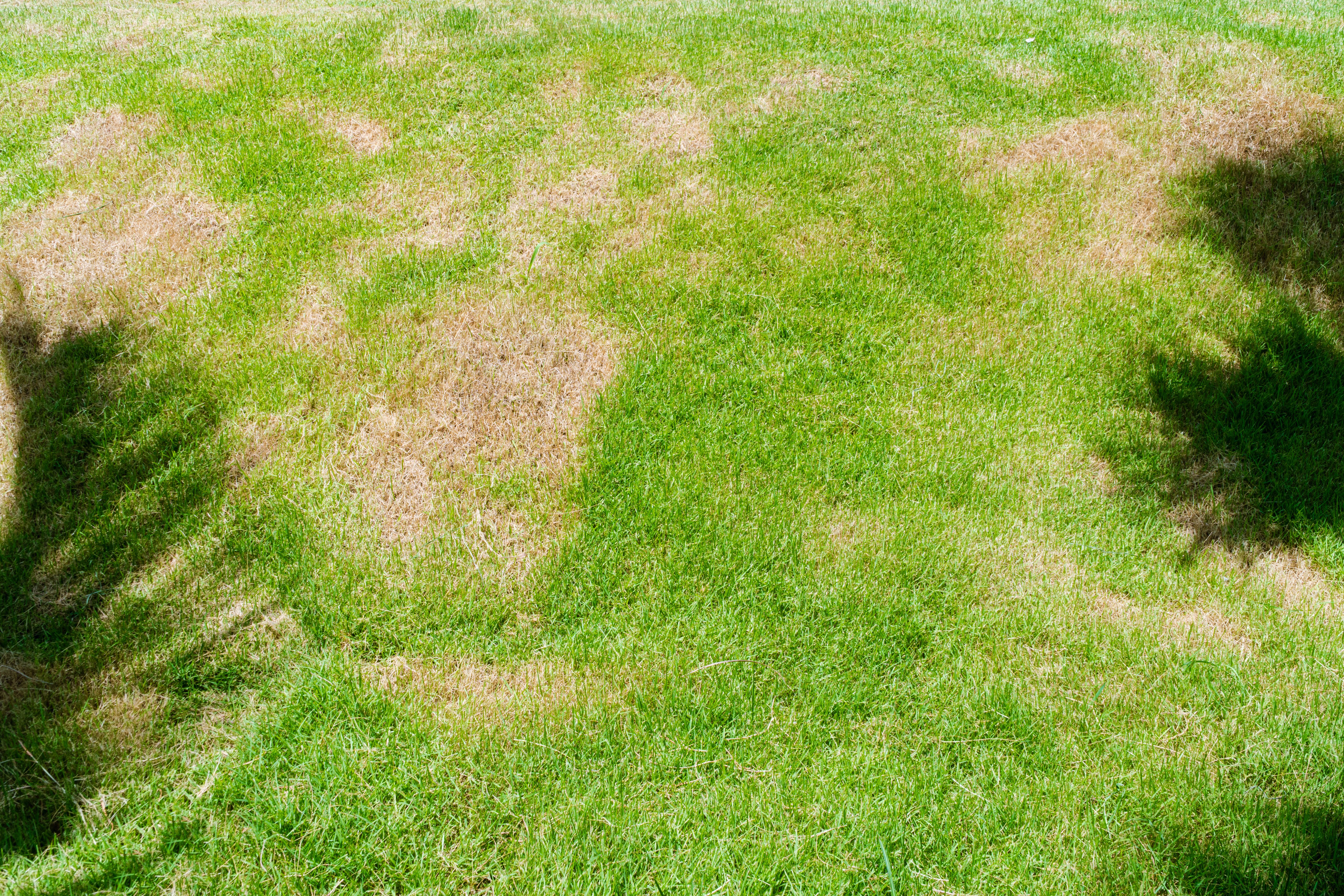
Essential Lawn Care Tools
Having the right tools makes a significant difference in the ease and effectiveness of your lawn care efforts. Essential tools include a lawnmower, a rake, a spade, and a garden hose with a sprinkler attachment. For more advanced care, consider investing in a spreader for fertilizers and seeds.
Keep your tools in good condition by cleaning and sharpening them regularly. Well-maintained tools not only last longer but also make your job easier and more efficient.
Watering Your Lawn
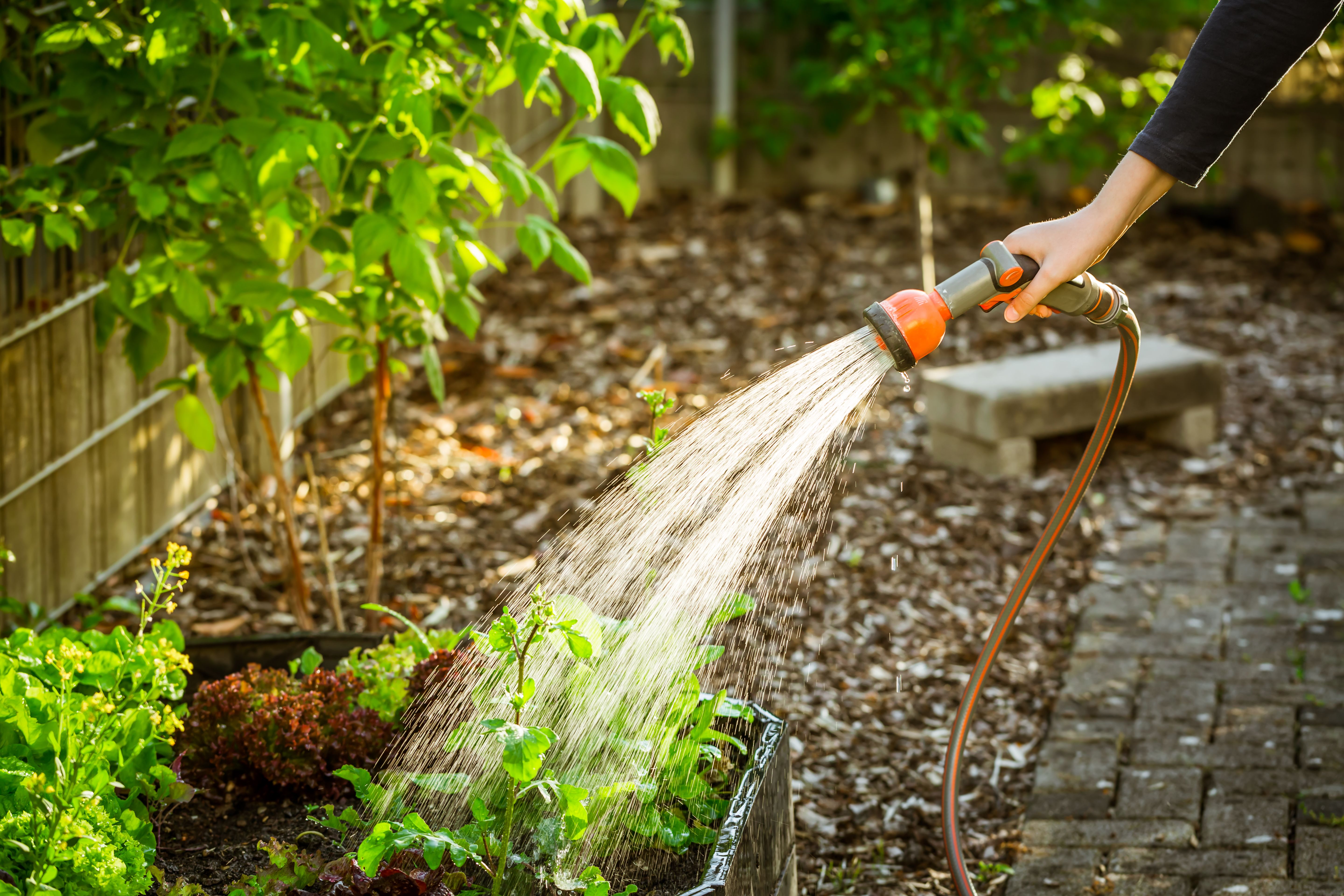
Proper watering is critical for a lush lawn. It's best to water deeply and infrequently to encourage deep root growth. Early morning is the ideal time to water, as it reduces evaporation and fungal diseases. Aim to give your lawn about an inch of water per week, either through rainfall or irrigation.
Mowing Techniques
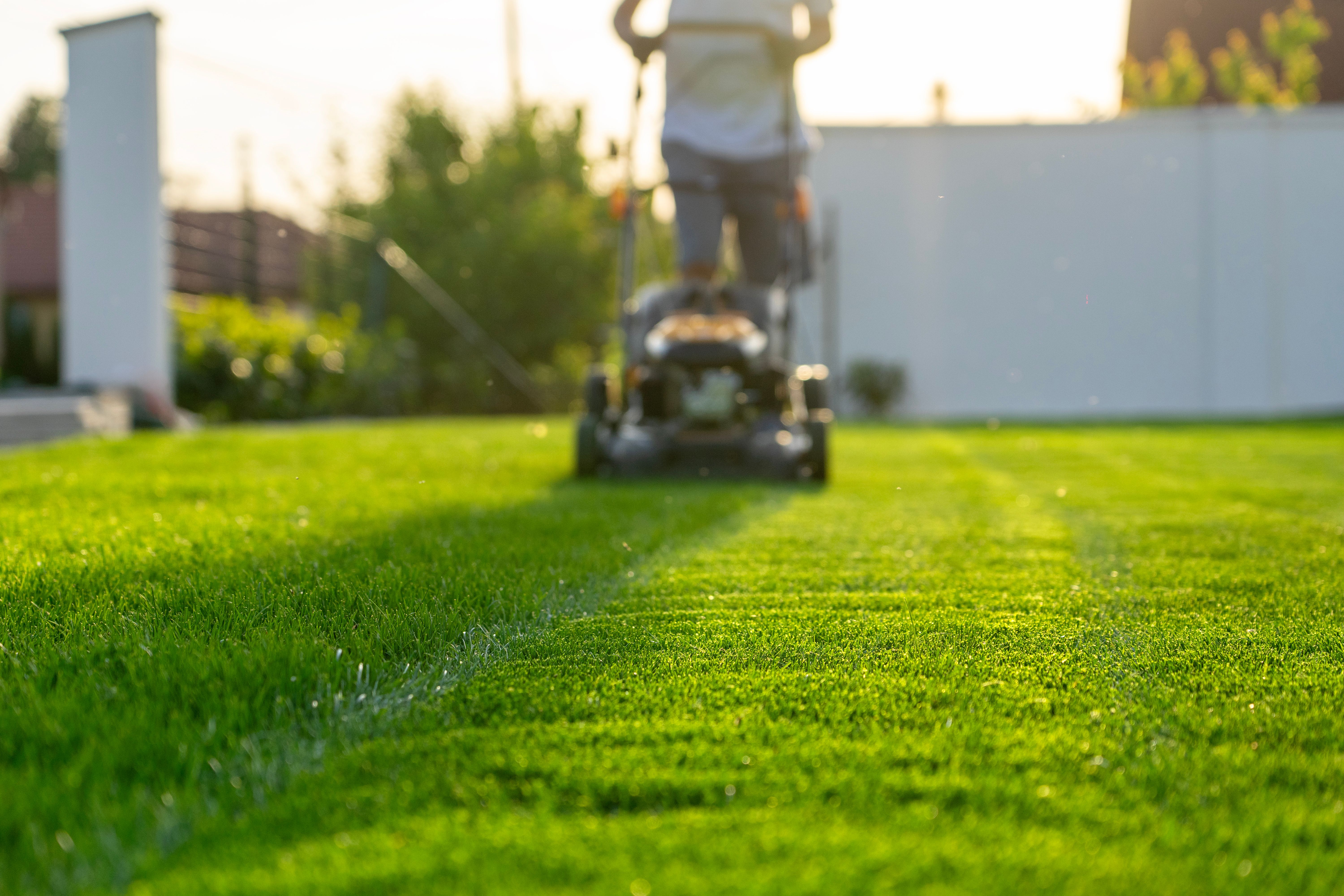
Mowing your lawn correctly can significantly impact its health. Avoid cutting more than one-third of the grass height at a time. Taller grass shades the soil, reducing water loss and inhibiting weed growth. Adjust your mower's height settings according to your grass type for optimal results.
Regular mowing also helps to keep your lawn looking neat and prevents thatch build-up. Remember to vary your mowing pattern to prevent soil compaction and to promote upright growth.
Fertilization and Weed Control
Fertilization provides essential nutrients that support healthy growth. Choose a fertilizer that matches your grass type and follow the recommended application schedule. Over-fertilizing can lead to excessive growth and increased maintenance needs.
Weed control is another crucial aspect of lawn care. Regularly inspect your lawn for weeds and remove them manually or use a selective herbicide. Keeping your lawn thick and healthy naturally reduces weed invasion.
Aeration and Overseeding
Aeration involves perforating the soil to allow air, water, and nutrients to penetrate deeper. This process helps alleviate soil compaction and promotes root growth. It's typically done in the fall or spring, depending on your grass type.
Overseeding involves spreading grass seed over your existing lawn to fill in bare spots and improve density. Choose a seed that complements your current grass and matches your climate for the best results.
With consistent care and attention, your lawn can become a stunning green oasis. Embrace these DIY steps and enjoy the satisfaction of nurturing your lawn to its full potential.