Comprehensive Guide to Landscape Maintenance: Tips for a Gorgeous Yard


Understanding Your Landscape Needs
A beautiful yard is not just about aesthetics; it’s a reflection of your home’s personality. Understanding the specific needs of your landscape is the first step towards maintaining a gorgeous yard. Different plants have different requirements, and knowing what each one needs can help you provide the right care.

Begin by assessing the soil type, climate, and sunlight exposure in your yard. These factors play a crucial role in determining which plants will thrive in your space. Conduct a soil test to check for nutrient levels and consider the native plants that naturally grow in your area for a more sustainable approach.
Regular Lawn Care
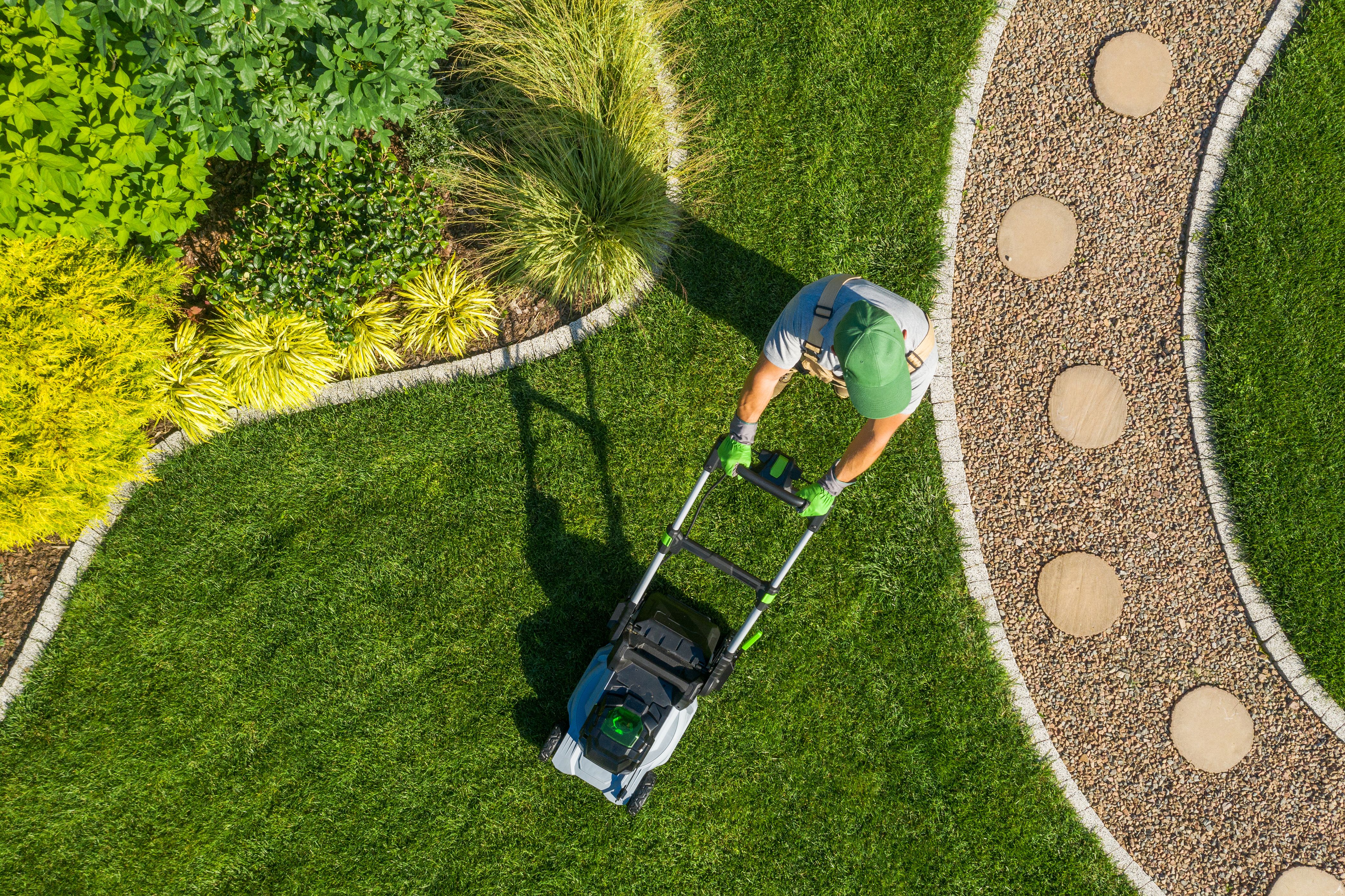
Maintaining a lush, green lawn is often the centerpiece of landscape maintenance. Regular mowing, watering, and fertilizing are essential to keep your grass healthy. Mow your lawn at the right height—generally around 2.5 to 3 inches—to encourage deep root growth.
Watering deeply but infrequently helps develop resilient roots. Aim to water early in the morning to minimize evaporation. Additionally, use a high-quality fertilizer to provide the necessary nutrients. This will enhance the growth and color of your lawn.
Pruning and Trimming
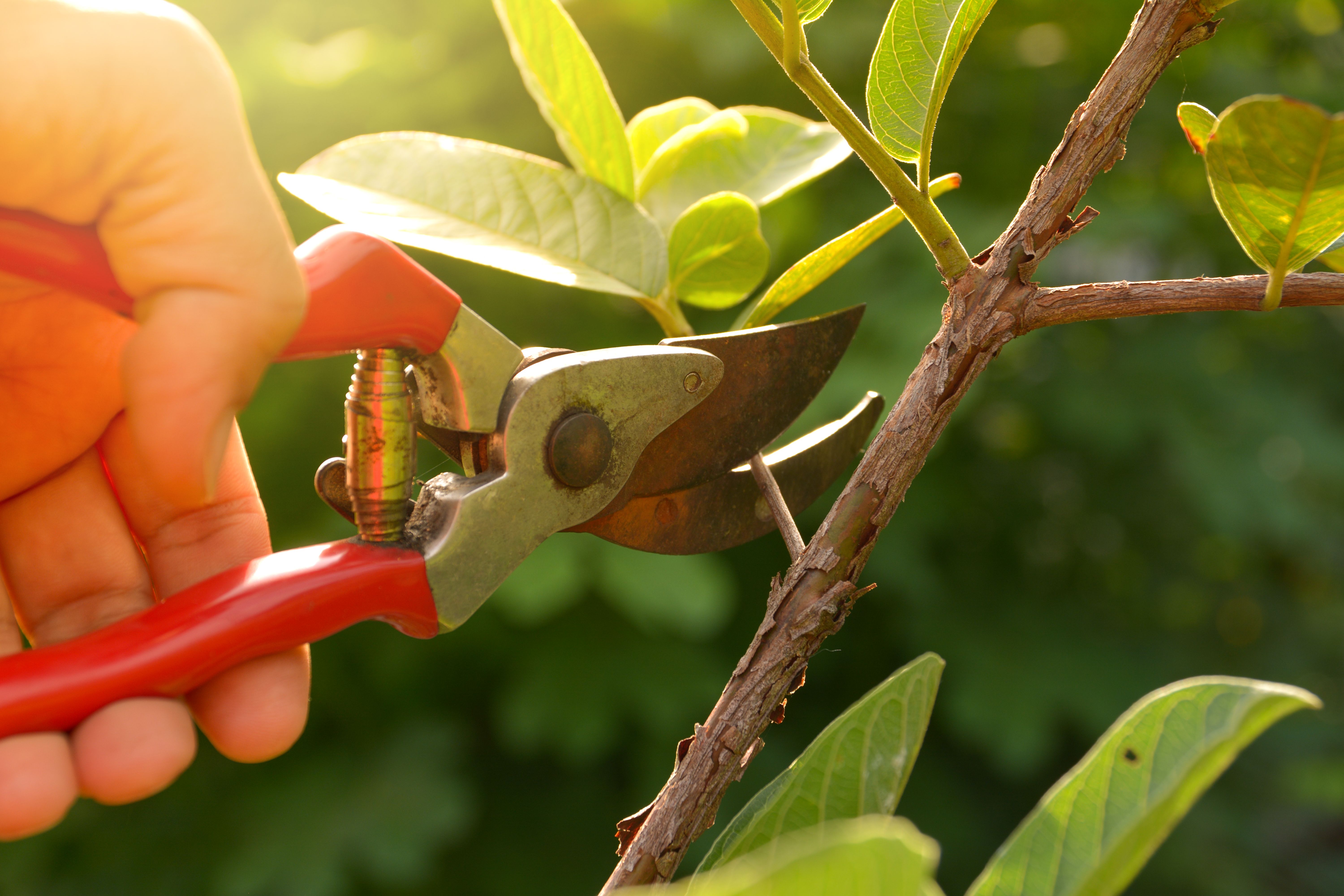
Pruning and trimming are vital for keeping your plants healthy and aesthetically pleasing. Regular pruning removes dead or diseased branches, encourages new growth, and helps maintain the desired shape of your plants. Timing is crucial; prune flowering shrubs after they bloom and non-flowering shrubs during the dormant season.
Trimming hedges and bushes keeps them neat and prevents overgrowth. Use the right tools and ensure they are sharp to avoid damaging the plants. Remember that different plants have different pruning needs, so it’s essential to research or consult with a professional if you're unsure.
Mulching and Weed Control
Mulching is an effective way to retain moisture, suppress weeds, and enhance the look of your garden beds. Apply a 2-3 inch layer of organic mulch around your plants, ensuring not to pile it against the stems or trunks. This helps insulate the soil and provides nutrients as it breaks down.
Weed control is another aspect of landscape maintenance that cannot be overlooked. Regular weeding prevents them from competing with your plants for nutrients. Consider using landscape fabric or organic weed barriers to minimize weed growth.
Seasonal Maintenance
Each season brings unique challenges and opportunities for your landscape. Spring is the perfect time for planting and preparing your garden, while summer requires diligent watering and pest control. In fall, focus on cleanup and soil amendment to prepare for the dormant winter months.

Winter may seem like a time of rest, but it’s crucial to protect your plants from harsh weather. Use burlap wraps or anti-desiccant sprays for vulnerable plants and ensure that your irrigation system is winterized to prevent damage.
Conclusion
Landscape maintenance is an ongoing process that requires attention to detail and a little bit of effort. By understanding the needs of your plants, performing regular lawn care, pruning, mulching, and adjusting your efforts seasonally, you can achieve a stunning yard that is the envy of the neighborhood. With these tips, you’re well on your way to enjoying a vibrant and healthy landscape year-round.