Common Myths About Tree Installation: What You Need to Know


Tree installation is a process that can significantly enhance the aesthetic and environmental value of any property. However, there are several myths surrounding this practice that can lead to misconceptions and improper care. In this post, we’ll debunk some of these common myths and provide you with the essential information you need to ensure successful tree installation.
Myth 1: Any Tree Can Be Planted Anywhere
One of the most prevalent myths is that any tree species can be planted in any location. This is far from true. The success of tree installation heavily depends on choosing the right species for the specific environment. Factors such as soil type, climate, and available space play crucial roles in determining the appropriate tree for a location.
Ignoring these factors can lead to poor growth or even the death of the tree. It’s essential to research the needs of the tree species and match them with the conditions of your planting site.

Myth 2: Trees Don’t Need Much Maintenance
Another common misconception is that once a tree is planted, it requires little to no maintenance. In reality, young trees need regular care to establish themselves. This includes adequate watering, mulching, and pruning to ensure healthy growth.
Proper maintenance helps trees develop strong roots and resist pests and diseases. Neglecting these tasks can stunt growth and lead to long-term health issues.
Myth 3: Planting Trees Too Deep Helps Stability
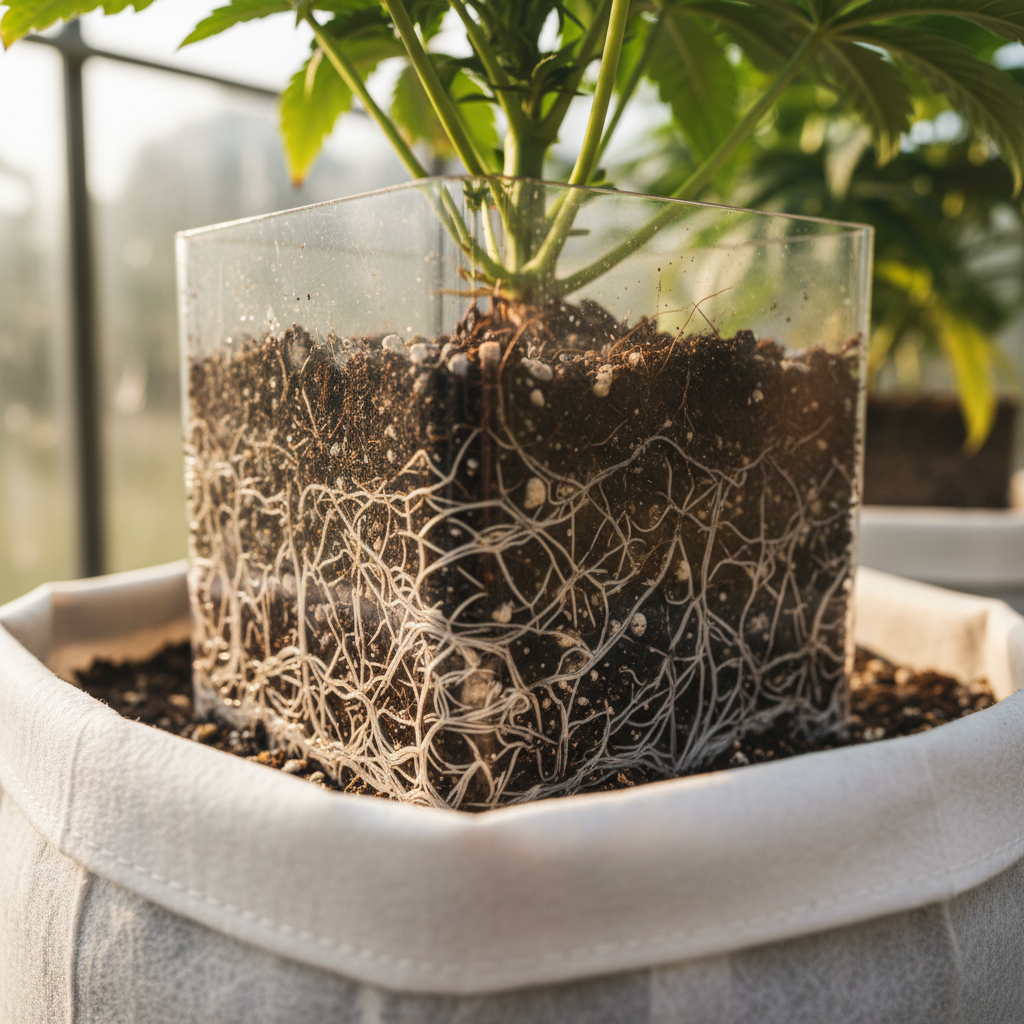
Many people believe that planting trees deeper than the root ball will make them more stable. However, this can actually harm the tree. Planting too deep can suffocate the roots and prevent them from getting necessary oxygen, leading to poor growth and root rot.
The correct planting depth is critical. The root flare, where the roots spread at the base of the trunk, should be visible above the soil line. This ensures proper root development and tree stability.
Myth 4: Fertilizer Is Always Necessary
While fertilizer can be beneficial in some cases, it is not always necessary for newly planted trees. Over-fertilizing can lead to excessive leaf growth at the expense of root development, making the tree more vulnerable to stress.
It’s important to test your soil to determine if additional nutrients are required. Often, natural soil provides sufficient nutrients for young trees.
Myth 5: All Trees Grow at the Same Rate
Each tree species has its own growth rate, and expecting all trees to grow quickly can lead to disappointment. Some trees naturally grow faster, while others take their time to mature.
Understanding the growth habits of your chosen tree species will help set realistic expectations and allow you to plan appropriately for your landscape.
Conclusion: Ensuring Successful Tree Installation
By dispelling these common myths, you can make more informed decisions about tree installation and care. Choosing the right tree for the right place, providing proper maintenance, and understanding the needs of your trees are key to enjoying a thriving and beautiful landscape.
Remember, when in doubt, consult with a professional arborist to ensure the health and longevity of your trees.