Common Landscape Maintenance Mistakes and How to Avoid Them


Overwatering Your Plants
One of the most common mistakes in landscape maintenance is overwatering. While it might seem like more water will lead to healthier plants, it can actually cause root rot and other issues. Plants typically need about an inch of water per week, including rainfall. It’s crucial to adjust your watering schedule based on the weather and season.
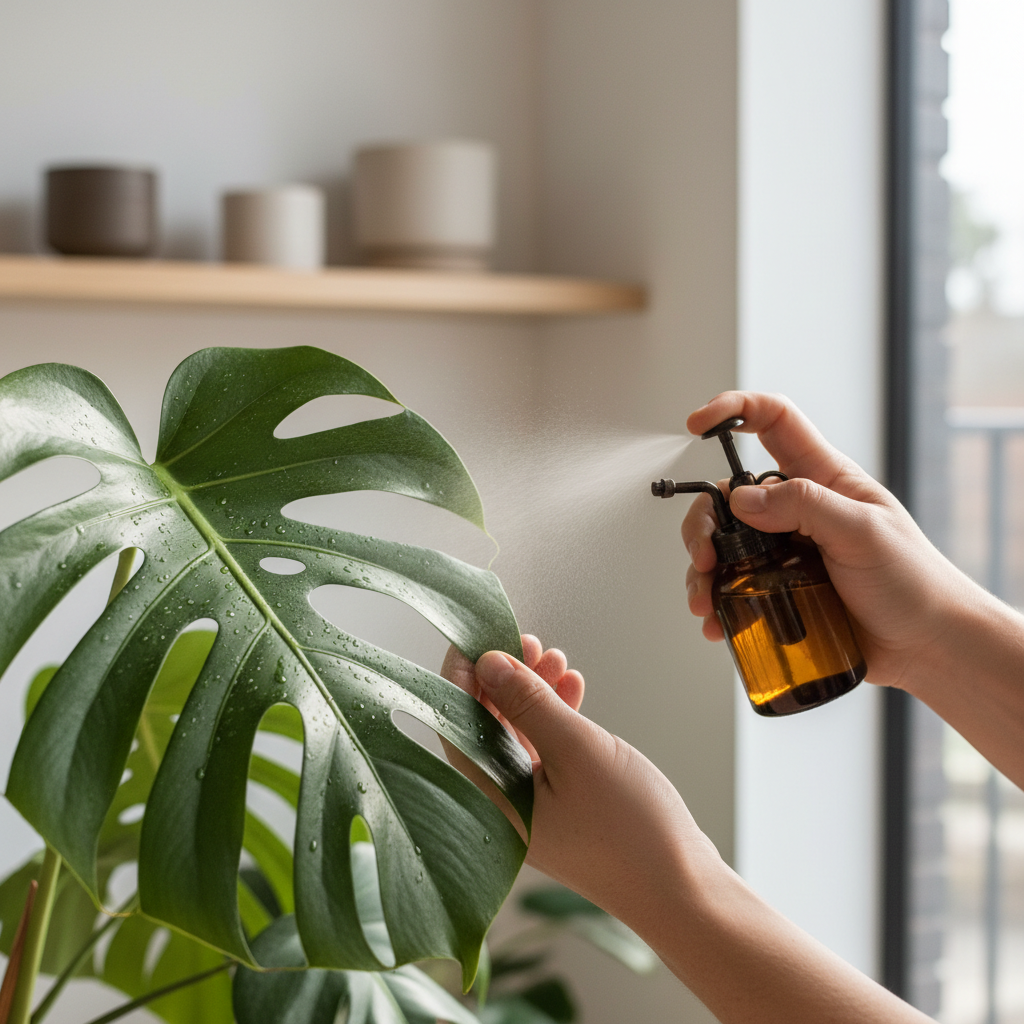
To avoid overwatering, invest in a rain gauge to measure how much water your garden is receiving. Additionally, consider using a drip irrigation system, which provides a more controlled water supply directly to the roots.
Ignoring Soil Health
The health of your soil is fundamental to a thriving landscape. Unfortunately, many people overlook this aspect, leading to nutrient deficiencies and poor plant growth. Conduct a soil test to determine its pH levels and nutrient content. Based on the results, amend the soil with organic matter or fertilizers as needed.

Mulching is another effective way to improve soil health. It helps retain moisture, suppress weeds, and add organic matter as it breaks down. Make sure to apply a 2-3 inch layer of mulch around your plants, being careful not to pile it against the stems or trunks.
Improper Pruning Techniques
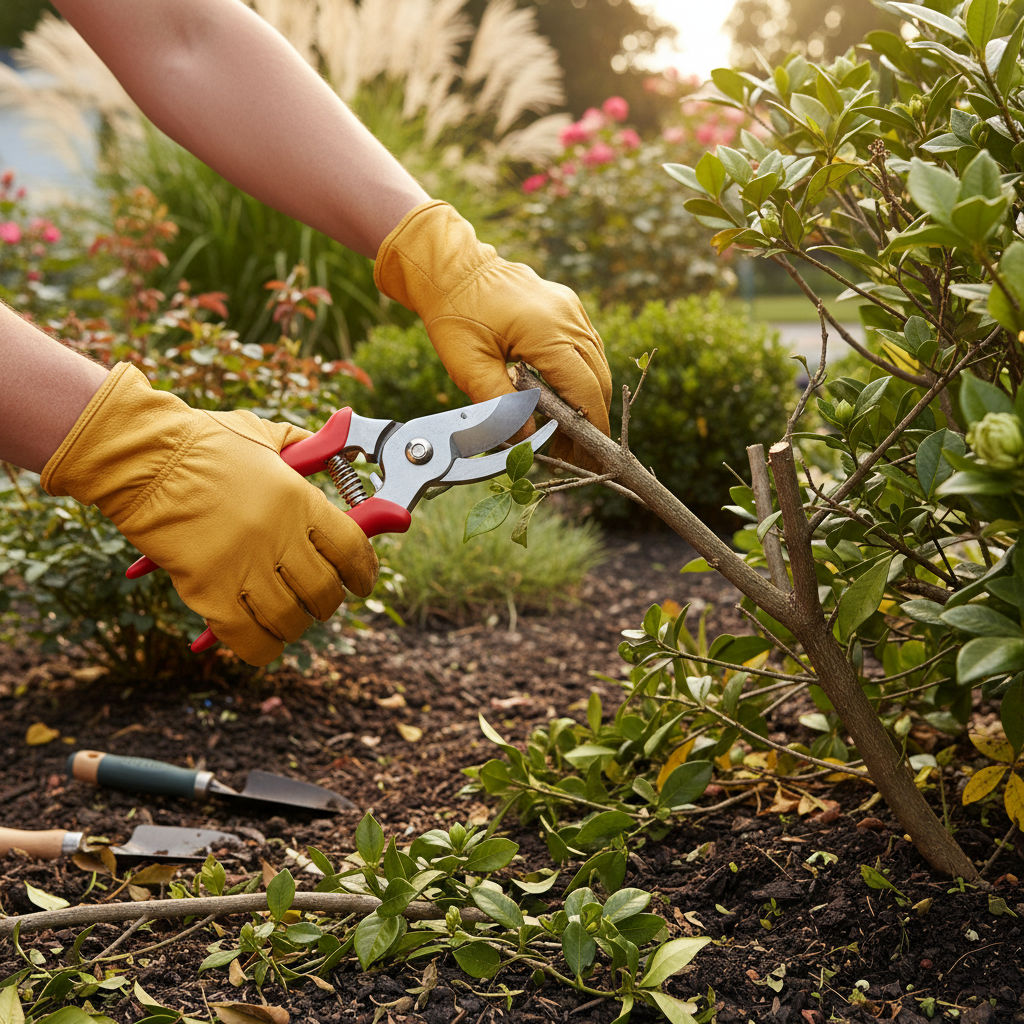
Pruning is essential for maintaining the shape and health of your plants, but improper techniques can cause harm. Avoid cutting too much at once, as it can stress the plant and make it susceptible to disease. Instead, prune lightly and more frequently.
When pruning, use sharp, clean tools to prevent infection. Focus on removing dead, damaged, or diseased branches first. Also, be mindful of the plant’s natural shape to avoid over-pruning.
Neglecting Pest Control
Pests can quickly turn a beautiful landscape into a nightmare. To prevent infestations, regularly inspect your plants for signs of pests like holes in leaves or discolored foliage. Early detection is key to effective pest management.
Use natural pest control methods whenever possible. Introducing beneficial insects, such as ladybugs or lacewings, can help keep pest populations in check. If necessary, opt for organic pesticides to minimize environmental impact.
Failing to Plan for Growth
When selecting plants for your landscape, consider their mature size. A common mistake is planting too closely, which can lead to overcrowding and competition for resources. Research each plant’s growth habits and space them accordingly.

Remember to account for future growth when placing trees and shrubs. This foresight will ensure your landscape remains aesthetically pleasing and functional as it matures.
Conclusion
Avoiding these common landscape maintenance mistakes can lead to a healthier and more beautiful garden. By paying attention to watering, soil health, pruning, pest control, and planning for growth, you can create a thriving outdoor space. Take the time to educate yourself and adjust your practices, and your landscape will reward you with vibrant, flourishing plants.