Choosing the Right Trees for Your Garden: Expert Tips on Tree Installation


Choosing the right trees for your garden is essential to creating a harmonious and sustainable outdoor space. Not only do trees add beauty and shade, but they also provide privacy and improve air quality. However, selecting the right trees requires careful consideration and planning.
Understanding Your Garden's Needs
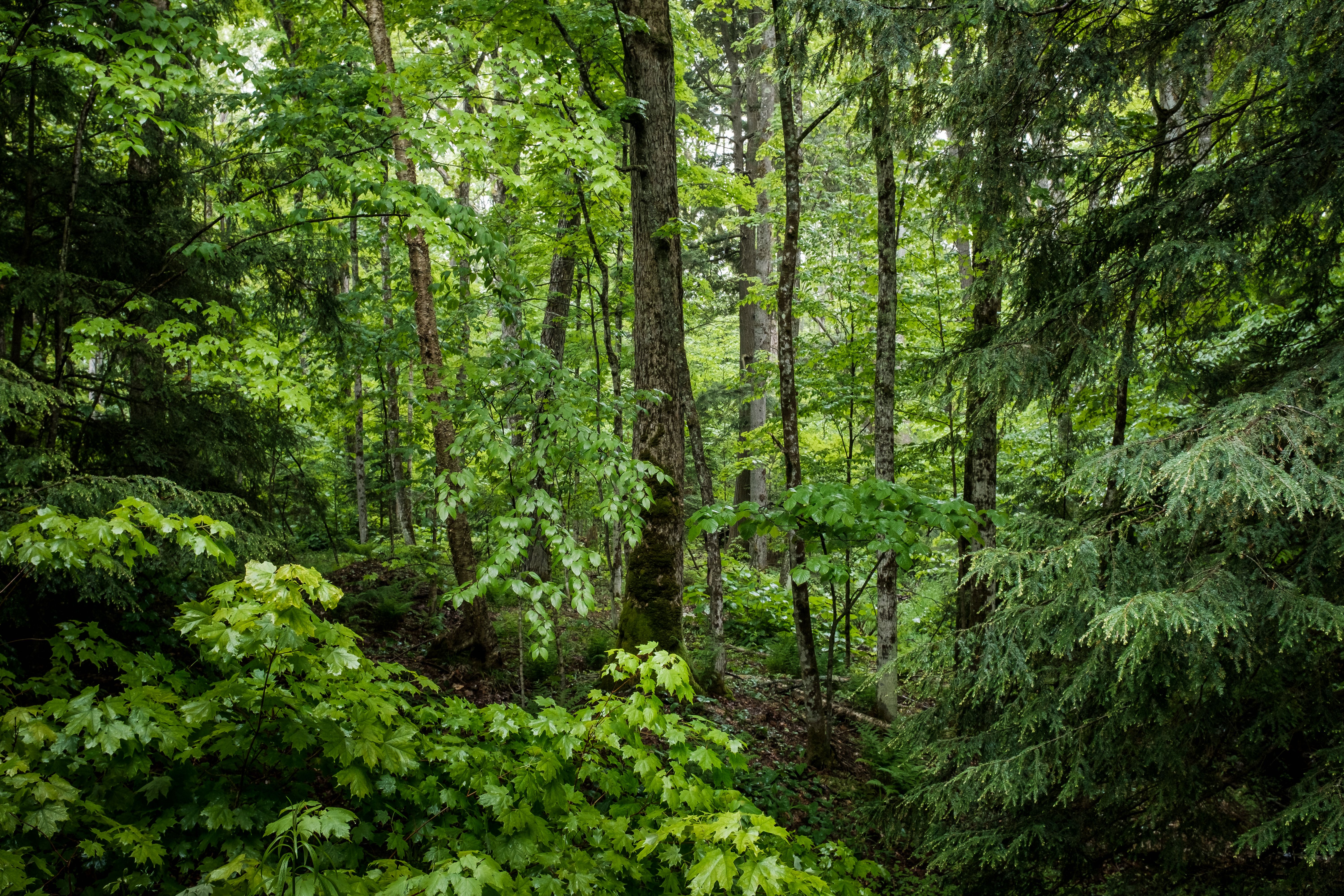
Before choosing trees, it's important to understand your garden's needs. Consider factors such as climate, soil type, and available space. Different trees thrive in different environments, so knowing your garden's conditions will help you make informed choices.
Take note of how much sunlight your garden receives throughout the day. Some trees require full sun, while others prefer partial shade. Evaluating these conditions will ensure that your trees grow healthy and robust.
Soil Considerations
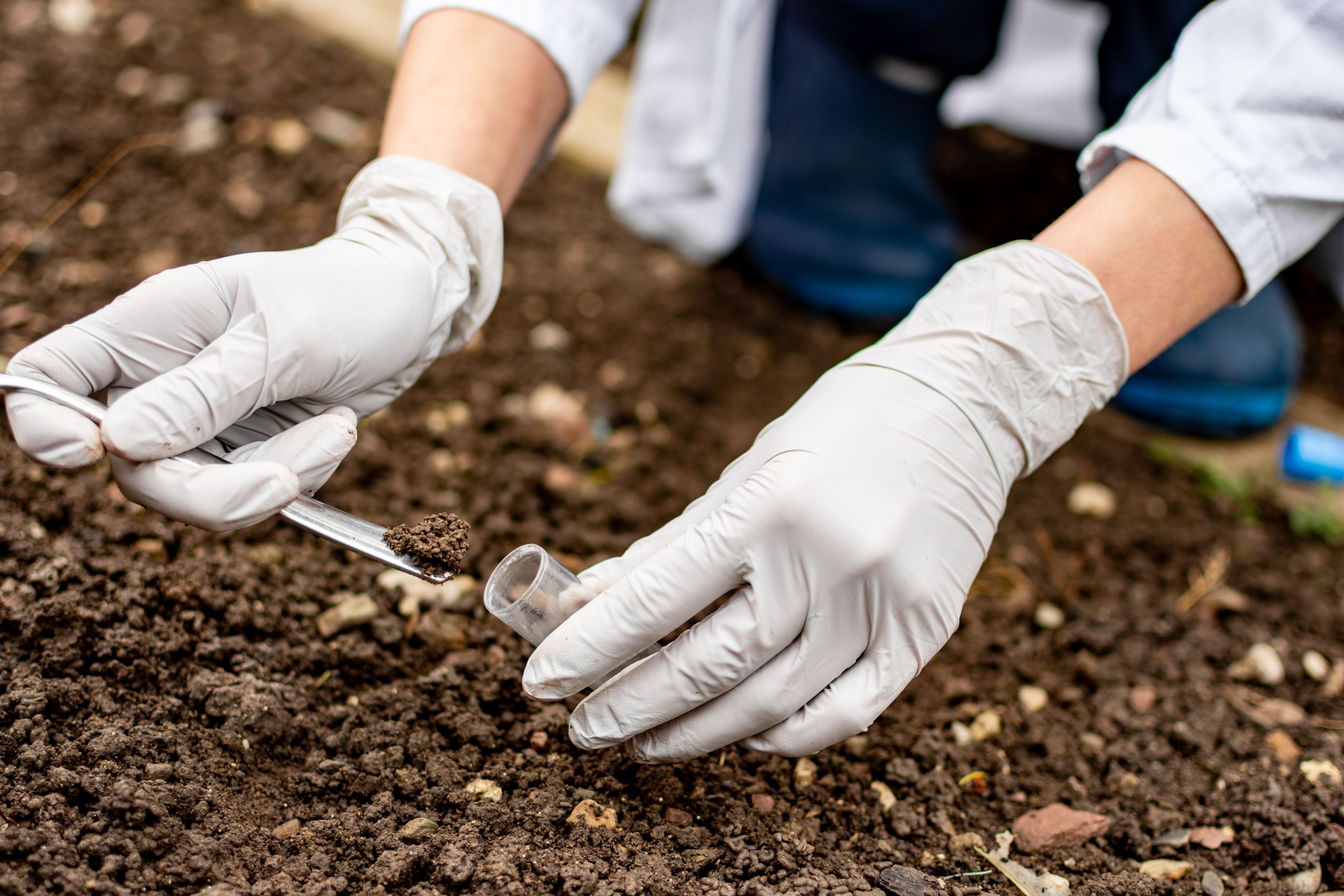
Soil type plays a crucial role in tree selection. Conduct a soil test to determine its pH level and texture. This information will guide you in selecting trees that are compatible with your garden's soil. For instance, sandy soil is best suited for drought-tolerant species, while clay soil supports moisture-loving trees.
Choosing the Right Tree Species
Once you've assessed your garden's needs, it's time to choose the right tree species. Consider the tree's mature height and width, as this will affect how much space it requires. Avoid planting large trees too close to buildings or power lines to prevent future issues.
Think about the purpose of the trees in your garden. Are you looking for shade, privacy, or ornamental value? For shade, consider deciduous trees like oaks or maples. For privacy, evergreen trees such as cypress or spruce are excellent choices.
Native vs. Non-Native Species
Opting for native tree species can be beneficial as they are adapted to the local climate and soil conditions. They also support local wildlife and require less maintenance. However, non-native species can also be suitable if they are compatible with your garden's environment.

Tree Installation Tips
Proper tree installation is key to ensuring their health and longevity. Begin by digging a hole that is twice as wide as the tree's root ball but no deeper than its height. This allows the roots to spread out and establish themselves effectively.
When placing the tree in the hole, ensure that the root flare is at ground level. Backfill the hole with soil, ensuring there are no air pockets. Water the tree thoroughly after planting to help settle the soil and provide initial hydration.
Post-Installation Care
After installation, consistent care is vital. Water the trees regularly, especially during their first few years, to promote root establishment. Mulching around the base helps retain moisture and suppress weeds. Regularly inspect the trees for pests and diseases, and prune them as needed to encourage healthy growth.
By following these expert tips, you'll be well on your way to enjoying a thriving, beautiful garden filled with the right trees that meet your aesthetic and functional needs.